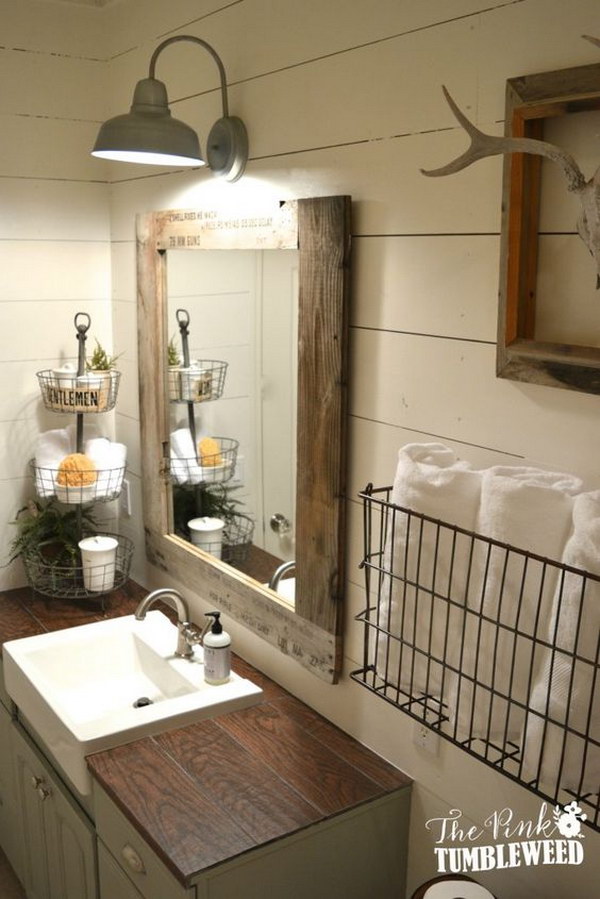
There’s a particular kind of frustration that comes from finishing a bathroom renovation and still feeling like something is off. I experienced that exact feeling after spending weeks updating my fixtures, repainting walls, and installing new tile. Everything looked fine, but nothing looked right. Then I replaced my plain rectangular mirror with a vintage-inspired retro piece, and the bathroom finally made sense. It was the missing punctuation at the end of a long and carefully written sentence.
Retro mirrors aren’t a single style, and learning that early saved me from buying the wrong thing. The category stretches from the curved, sunburst silhouettes of 1950s mid-century design to the bold geometric frames of Art Deco, all the way through the warm, globe-lit vanity mirrors of old Hollywood dressing rooms. Each aesthetic carries its own emotional temperature. Mid-century feels calm and considered. Art Deco feels theatrical and confident. Hollywood Regency feels unapologetically glamorous. Knowing which temperature suited my bathroom helped me shop with clarity instead of confusion.

My bathroom leans farmhouse with vintage undertones, so I settled on a mid-century inspired round mirror with an antique brass frame. At 26 inches across, it fills the wall above my pedestal sink without crowding it. What I noticed immediately after hanging it was how the circular shape interacted with all the rectangular elements around it, the subway tiles, the window frame, the cabinet edges. The round mirror introduced a softness and rhythm that the room had been quietly asking for all along, and I hadn’t even known that was what it needed.
Choosing the right frame finish felt genuinely important, not just cosmetic. I considered matte black, which is sharp and contemporary, and brushed nickel, which is safe and versatile. But antique brass kept calling me back. There’s something about the way aged brass catches warm light that feels connected to history in a way other finishes don’t. It pairs naturally with warm wood tones, cream walls, and vintage fixtures, which described my bathroom almost exactly. Brass also develops character over time rather than simply wearing out, which I find deeply appealing in a permanent fixture.
I want to talk about the light interaction because it genuinely changed how I experience my bathroom. My Edison sconces sit on either side of the mirror, and the warm amber glow they cast bounces back through the brass frame and spreads softly across the room. In the evening especially, the whole space takes on a quality that feels less like a utilitarian bathroom and more like a thoughtfully designed personal retreat. A retro mirror isn’t just a reflective surface. It participates actively in the atmosphere of the room around it in ways a plain frameless mirror simply cannot match.
Scale and proportion were lessons I learned partly through mistakes. My first instinct was to go bigger, a 30-inch mirror that I thought would make more of a statement. I cut out a paper template and held it against the wall, and it immediately looked too large for the narrow vanity beneath it. Dropping to 26 inches created the visual breathing room that made the composition feel balanced. The rule I now follow is keeping the mirror width within two to four inches of the fixture or sink below it, because that relationship between mirror and vanity is what creates a grounded, intentional look.

Beyond purely flat wall mirrors, retro medicine cabinets deserve serious consideration. I’ve seen beautifully restored vintage medicine cabinets with beveled mirror fronts and wooden frames that function as both storage solutions and stunning design features. In a bathroom where counter space is limited, a recessed retro medicine cabinet solves two problems at once without sacrificing any style. If I were starting my bathroom renovation from scratch with a clean slate, a vintage-inspired recessed medicine cabinet with a beveled mirror door would be high on my list of non-negotiable elements.
Hanging my mirror was less complicated than I feared, but I did make one mistake worth mentioning. I initially used basic drywall anchors because I was confident the mirror wasn’t that heavy. It was heavier than it looked, and one anchor loosened within a week, leaving me with an anxious wobble every time I walked past. I reset the installation using proper toggle bolts and located one stud to anchor the bracket securely. For any mirror over 12 or 15 pounds, please take the extra time to do this right. A falling mirror in a tiled bathroom creates a genuinely awful situation.

Maintenance is refreshingly simple once you understand the materials. The mirror glass responds perfectly to a diluted white vinegar solution applied with a microfiber cloth, no streaks, no residue, no fuss. The antique brass frame I leave almost entirely alone, because the gentle patina that’s developed over two years is exactly what I wanted. If yours has a lacquered finish, a dry cloth and occasional mild soap keeps it looking cared for. The one consistent rule I follow is spraying cleaners onto the cloth first rather than the mirror directly, to protect the frame edge where moisture can sneak behind the glass.
Replacing a bathroom mirror feels like a small decision until you’ve done it and seen the result. A retro mirror brings something to a bathroom that purely functional fixtures never can, which is a sense of personality and time. It suggests that the person who lives here made intentional choices, values beauty alongside utility, and understands that even small rooms deserve to feel considered. My bathroom is not large, not expensive, and not dramatically renovated, but it feels genuinely special now. One mirror, hung on a Saturday afternoon, made that difference, and I’m still grateful I trusted that instinct.

How do I choose the right size retro mirror for my bathroom?
I keep the mirror width within two to four inches narrower than the vanity or sink below it. This proportion creates visual balance and makes the composition feel intentional. Before ordering, I always cut a paper template to the exact dimensions and tape it to the wall. What looks right in a product photo often reads very differently against your actual wall, so this simple test saves real money and real disappointment before anything ships.
Does an antique brass finish hold up well in a humid bathroom?
In my experience, yes, especially with unlacquered brass. Rather than degrading, it develops a natural patina that deepens and enriches over time. Lacquered brass resists moisture more actively and stays brighter longer with minimal care. Either option works well in a bathroom with decent ventilation. The main thing to avoid is leaving standing water against the frame regularly, as prolonged moisture contact can eventually compromise any metal finish regardless of quality.

Are round mirrors practical or just decorative in a bathroom?
Completely practical in my daily experience. A 24 to 28-inch round mirror provides ample reflective surface for grooming tasks while offering the added design benefit of softening a room full of hard angles. The shape reads as both timeless and retro simultaneously, which gives it unusual versatility across different bathroom styles. The only real limitation is that round mirrors don’t suit double vanities as well as rectangular ones, where a wider horizontal format makes more functional sense.
What’s a fair budget for a quality retro bathroom mirror?
Decent reproduction retro mirrors start around $70 to $120 from home goods retailers. Better quality pieces with genuine brass frames or solid wood detailing typically run $150 to $350. Artisan-made or genuinely antique mirrors can reach $500 or beyond. I paid around $195 for mine and consider it exceptional value given the daily visual payoff. Genuine vintage finds from estate sales and salvage shops can be spectacular bargains if you’re willing to invest time in searching rather than money in convenience.

How do I safely hang a heavy retro mirror in my bathroom?
Locate wall studs first with a stud finder and anchor directly into them whenever possible using lag screws sized for the mirror’s weight. When studs aren’t where you need them, use toggle bolts rated well above the actual mirror weight rather than standard plastic drywall anchors, which pull out under sustained load. I learned this lesson personally when a drywall anchor failed under my mirror. Most quality mirrors include weight specs and recommended hardware in the packaging, which I now always read carefully before starting.
Can a retro mirror work in a very small bathroom without overwhelming it?
Yes, and honestly a well-chosen retro mirror can make a small bathroom feel more spacious by reflecting light and adding perceived depth. The key is proportional sizing and a relatively slim frame profile. A chunky ornate frame in a tight space can feel claustrophobic, while a slender brass or wooden frame reads as refined rather than imposing. Round shapes work especially well in small bathrooms because they avoid compounding the boxy geometry that small rectangular rooms already have in abundance.

Farmhouse shelves, Small bathroom decor, Rustic bathroom decor

Rustic Farmhouse Bathroom Ideas
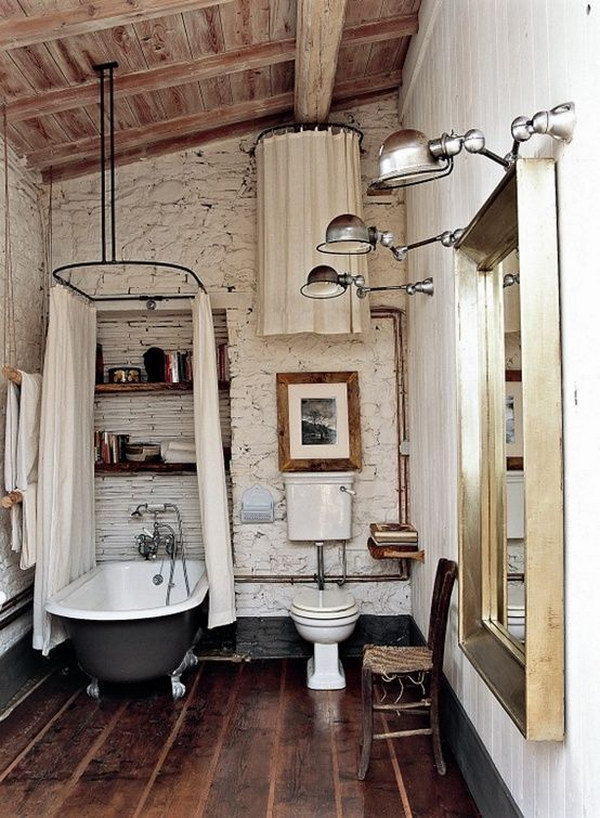
Great DIY Farmhouse Decor Ideas That You Must Try
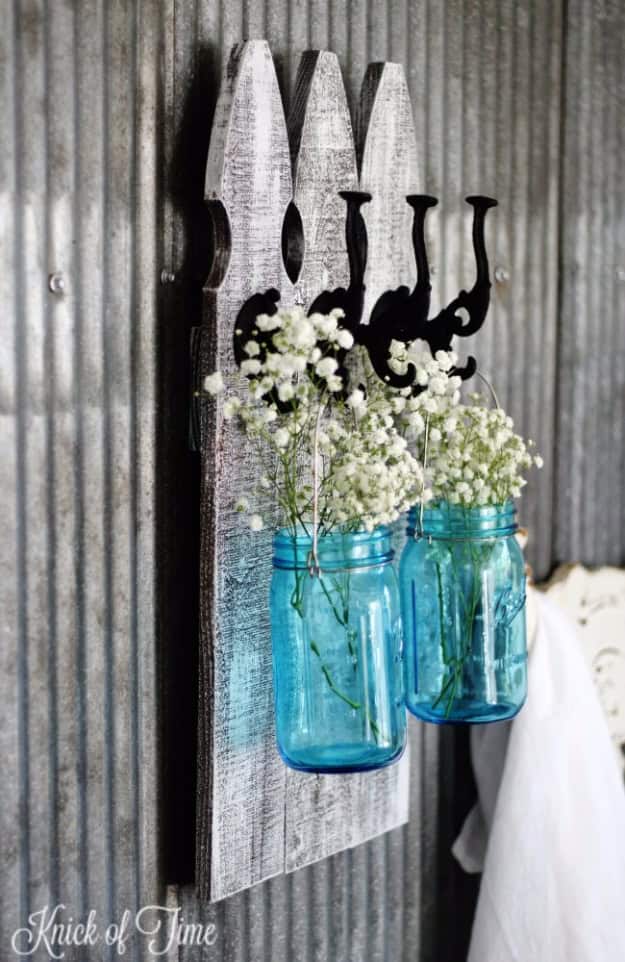
Rustic Farmhouse Bathroom Decor Luxury Rustic Farmhouse Shelves Home Decor

Rustic Farmhouse Bathroom Ideas