I’ll be honest, I spent almost three months staring at a blank wall above my bathroom sink before I finally figured out what was missing. I’d replaced the faucet, painted the walls a warm cream, and installed shiplap, but the space still felt incomplete. The moment I hung a round, brass-framed retro mirror in that empty spot, the entire bathroom exhaled. It sounds dramatic, but that single piece pulled everything together in a way I hadn’t anticipated and couldn’t have planned better.
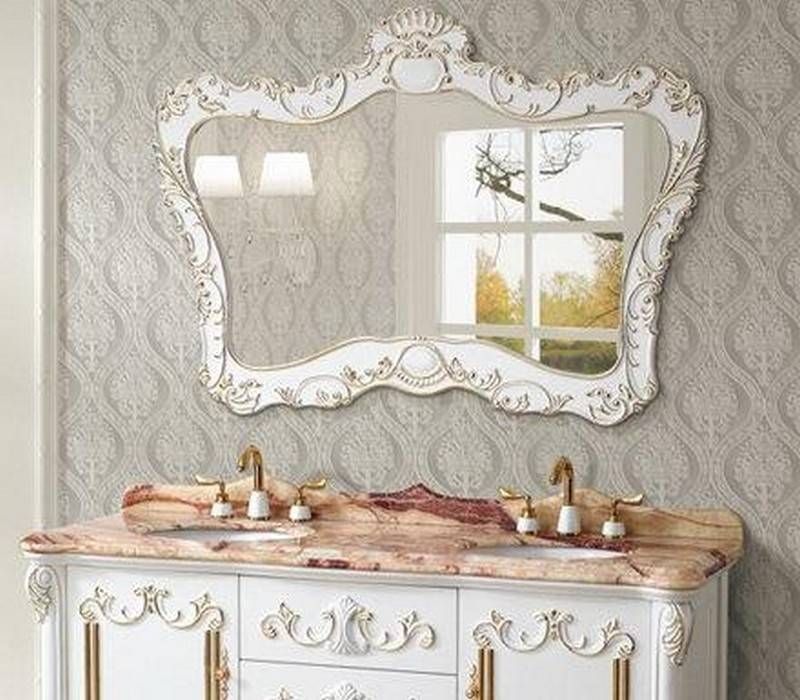
Retro bathroom mirrors cover a surprisingly broad range of styles, and sorting through them helped me understand what I actually wanted. Mid-century modern mirrors tend toward clean geometric shapes, teak or walnut frames, and understated elegance. Art Deco designs bring sunburst rays, stepped frames, and bold symmetry. Hollywood Regency leans into glamour with beveled edges and ornate gilded frames. Knowing these categories helped me stop browsing aimlessly and start shopping with real intention, which saved me considerable time and frustration.

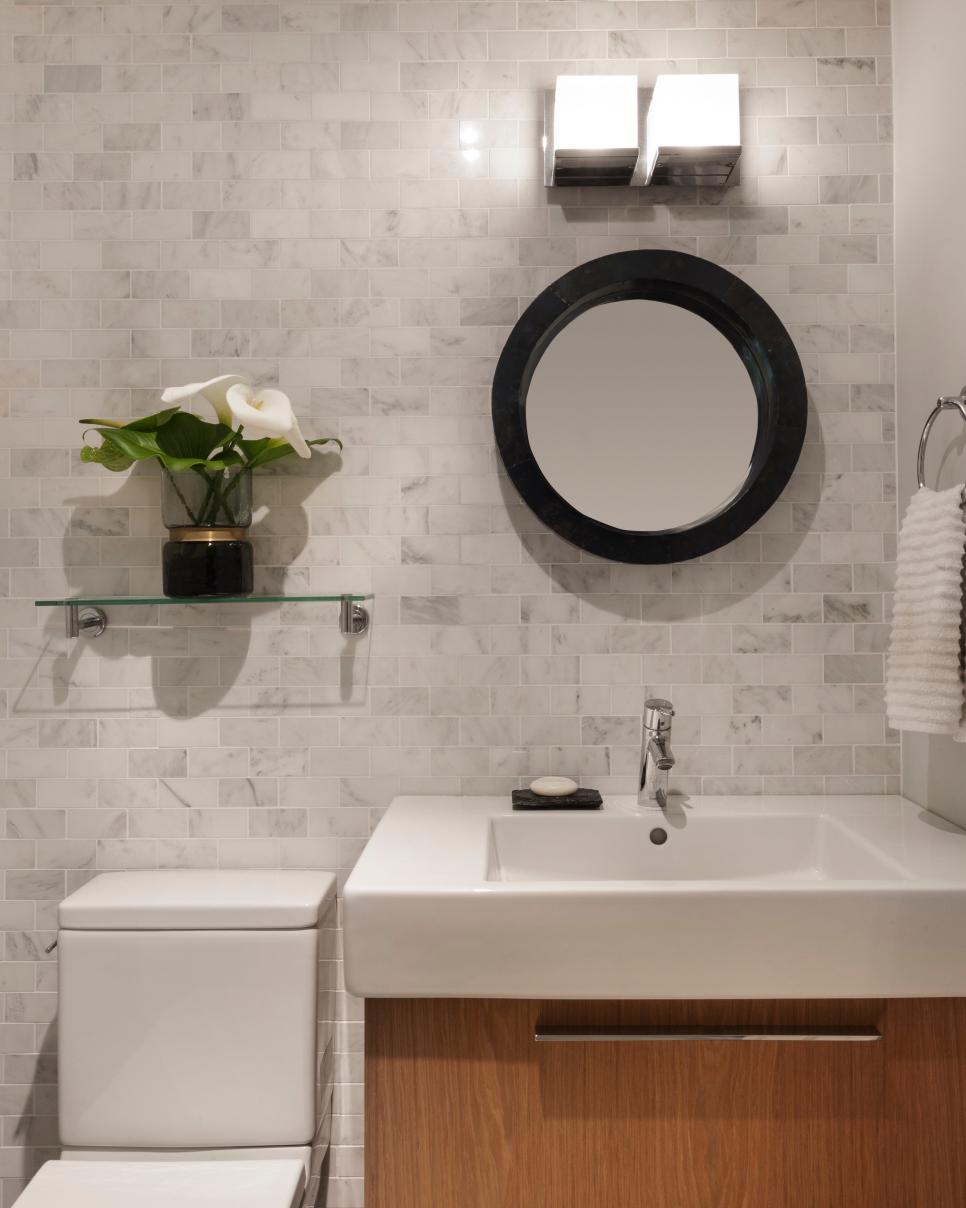
My bathroom has strong farmhouse bones, so I gravitated toward a simpler retro aesthetic rather than anything overly ornate. I chose a round mirror with a thin brass frame, about 24 inches in diameter, and the effect was immediate and satisfying. Round mirrors in particular have a timeless quality that suits retro styles beautifully. They soften hard angles in the room, create a focal point without dominating, and work equally well above a pedestal sink or a wood-framed vanity. Shape, I’ve learned, communicates just as much as color or material.
Frame material was one of my most deliberate choices. Brass is my personal favorite for retro bathrooms because it ages gracefully and carries genuine historical authenticity. Raw or unlacquered brass develops a natural patina over time that feels earned and characterful rather than worn out. Lacquered brass stays shinier longer with less maintenance. Wooden frames in walnut or teak suit mid-century designs beautifully, while iron frames with a hammered or antiqued finish suit more industrial retro aesthetics. Each material tells its own quiet story on the wall.
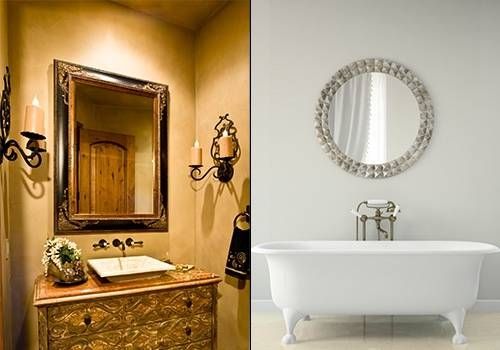
Size and proportion matter more than most people realize when choosing a bathroom mirror. I originally considered a 30-inch mirror for my single vanity, but after taping out the dimensions on the wall, it felt overpowering for the space. The 24-inch option created breathing room while still making a statement. A general guideline I follow is keeping the mirror two to four inches narrower than the vanity or sink below it. This creates a grounded, intentional look rather than the floating, mismatched feeling that an oversized or undersized mirror tends to produce.
What surprised me most about my retro mirror was how much it changed the light in the room. Mirrors amplify whatever light exists, and my warm Edison sconces reflected back through the brass frame in a way that made the whole bathroom glow differently at night. If you’re pairing a retro mirror with vintage lighting, position the mirror so it catches and bounces the sconce light toward the center of the room. That layered reflection creates depth and warmth that no overhead fixture alone can produce, and it genuinely makes the space feel larger and more welcoming.

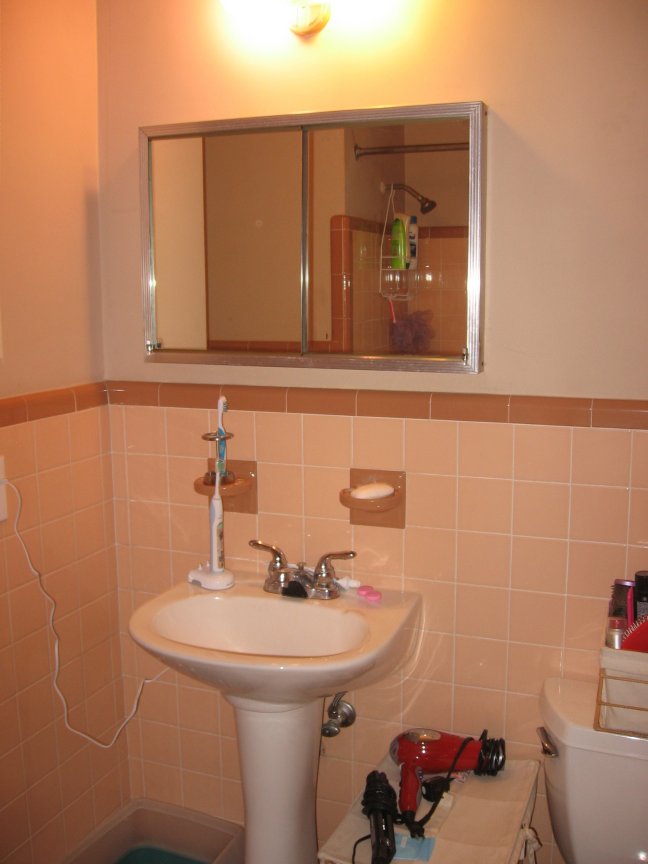
Medicine cabinet mirrors with retro styling are something I considered seriously before choosing a flat-mounted option. Retro medicine cabinets with beveled mirror fronts, wooden frames, and recessed storage are incredibly practical and surprisingly beautiful. They solve storage problems while maintaining aesthetic integrity, which is valuable in smaller bathrooms where every inch matters. If I were designing a bathroom from scratch, I’d strongly consider a vintage-style recessed medicine cabinet as the primary mirror, supplemented by a decorative accent mirror elsewhere in the space.
Hanging a bathroom mirror feels simple until you realize how many things can go wrong. I’ve hung mirrors on drywall anchors that eventually pulled out under the weight, which is a genuinely stressful experience. For any mirror over 15 pounds, I now locate studs first and use proper lag screws or mirror hanging hardware rated for the weight. My brass mirror came with a dedicated hanging bracket that made the process straightforward, but I still took my time leveling it carefully before committing to the final position. A slightly crooked mirror bothers me every single day, so patience at this stage pays off.
Cleaning and maintaining a retro mirror is simpler than I expected, though the frame needs its own approach depending on the material. For the mirror glass itself, I use a simple spray of diluted white vinegar and a microfiber cloth, which leaves zero streaks. For the brass frame, I avoid commercial metal polishes unless I want to remove the patina, which I don’t. A dry microfiber cloth and occasional light buffing keeps it looking intentional rather than neglected. Wooden frames benefit from a light application of furniture wax twice a year to prevent drying and cracking in the humid bathroom environment.
If you’re renovating a bathroom and haven’t settled on a mirror yet, I’d encourage you to think of it as the anchor of the entire design rather than the last accessory you add. A retro mirror with genuine character sets a tone that everything else can respond to. My bathroom went from a pleasant but forgettable space to one that people specifically comment on, and the mirror is almost always what they notice first. It’s one of those purchases where the right choice at the right moment makes you wonder how you ever lived without it.
What size retro mirror works best above a bathroom vanity?
I follow a simple rule: keep the mirror two to four inches narrower than the vanity surface below it. This creates visual balance and a grounded look. For a 36-inch vanity, a 30 to 32-inch mirror feels right. Round mirrors are slightly more forgiving with sizing since their shape naturally draws the eye inward. Always tape out the dimensions on your wall before ordering anything, because photos online rarely convey true scale accurately.
Is brass a practical finish for a humid bathroom environment?
In my experience, yes, with one caveat. Lacquered brass resists moisture and tarnishing more reliably and needs only occasional wiping. Unlacquered brass develops a natural patina that many people, including me, find beautiful, but it requires a bit more acceptance of change over time. Either way, brass is a durable and historically proven material for bathroom fixtures and frames, and it holds up well with basic maintenance and good ventilation in the space.

How do I hang a heavy retro mirror safely on my bathroom wall?
Always locate wall studs first using a stud finder, especially for mirrors heavier than 15 pounds. Screw directly into studs using lag screws appropriate for the mirror’s weight. If studs aren’t where you need them, use toggle bolts rated for the load rather than standard drywall anchors, which can pull out unexpectedly. I learned this the hard way with an earlier mirror. Most quality mirrors include weight ratings and recommended hanging hardware in the packaging.
Can I use a retro mirror in a small bathroom without overwhelming the space?
Absolutely, and in fact a well-chosen retro mirror can make a small bathroom feel larger by reflecting light and adding visual depth. Round mirrors work particularly well in tight spaces because they avoid adding more hard corners to an already boxy room. Keep the frame profile slim rather than chunky, and make sure the mirror is sized proportionally to the vanity below it. Oversizing is the most common mistake in small bathrooms, so when in doubt, go slightly smaller.
What’s the price range for a quality retro bathroom mirror?
Reproduction retro mirrors start around $60 to $100 for basic styles from home goods retailers. Mid-range options with genuine brass frames or quality wood detailing run $150 to $350. Higher-end artisan or antique pieces can reach $500 or more depending on provenance and craftsmanship. I spent around $180 on mine and feel it was excellent value. Genuine vintage mirrors from salvage shops or estate sales can be exceptional bargains if you’re patient and willing to search consistently.
How do I clean a retro mirror without damaging the vintage-style frame?
I keep glass cleaning and frame care completely separate. For the mirror surface, diluted white vinegar on a microfiber cloth works perfectly without streaks or chemical residue. For brass frames, skip commercial polishes unless you want to strip the patina, and simply buff with a dry microfiber cloth. Wooden frames benefit from furniture wax applied twice yearly. Always spray cleaning solutions onto the cloth first rather than directly onto the mirror to prevent moisture from seeping behind the frame and causing damage.
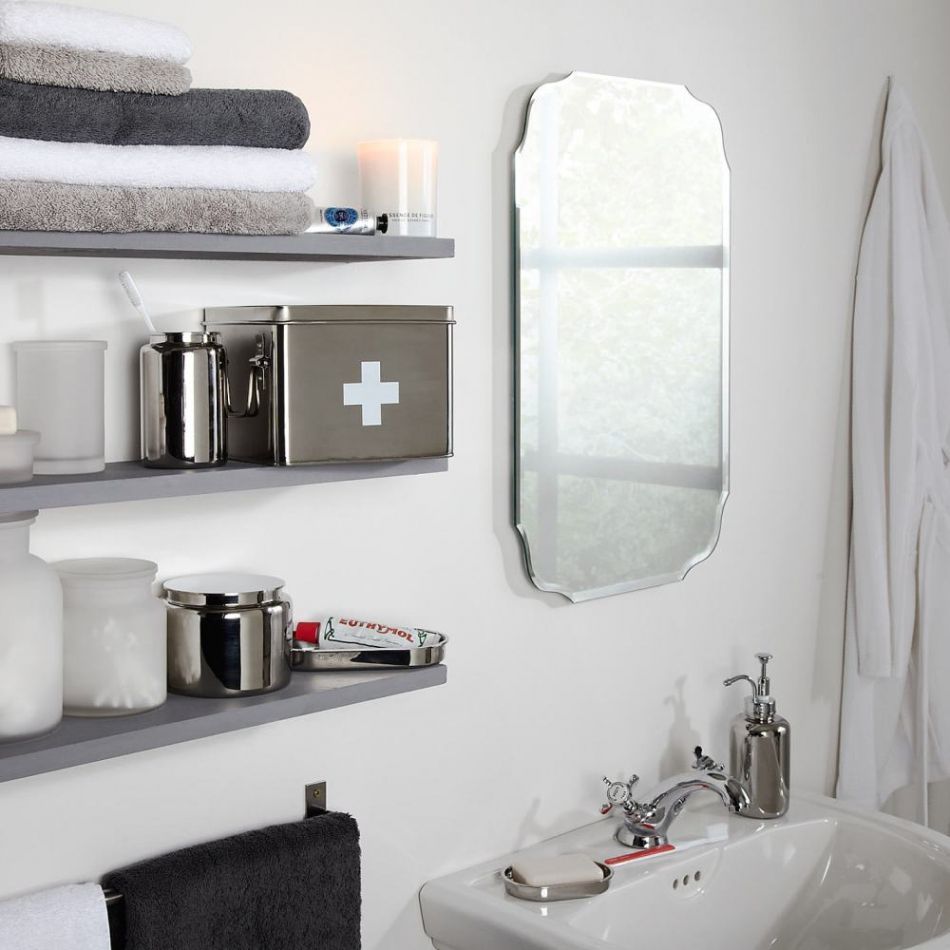
Best Ideas Antique Mirrors for Bathrooms Mirror Ideas
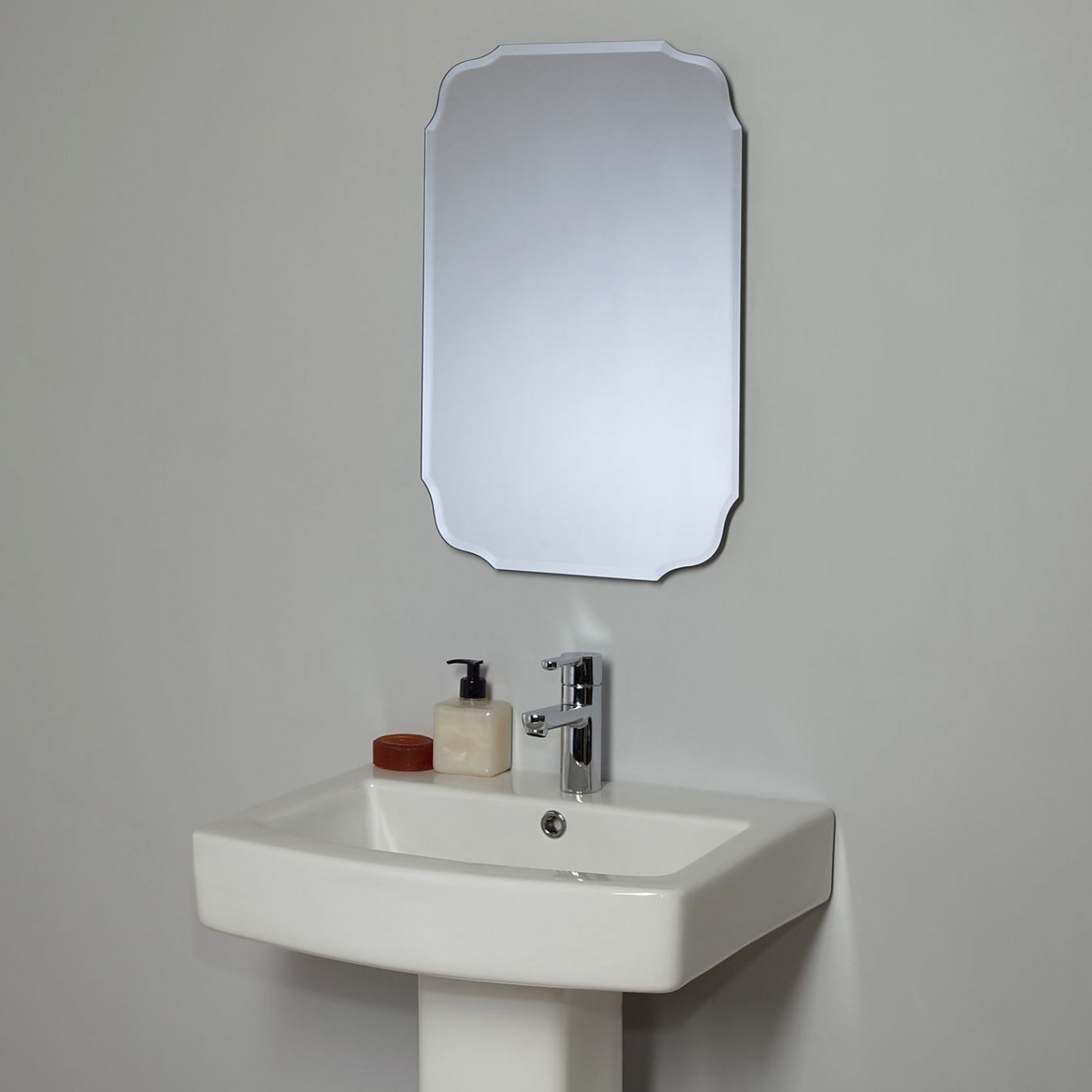
Vintage Style Bathroom Mirrors
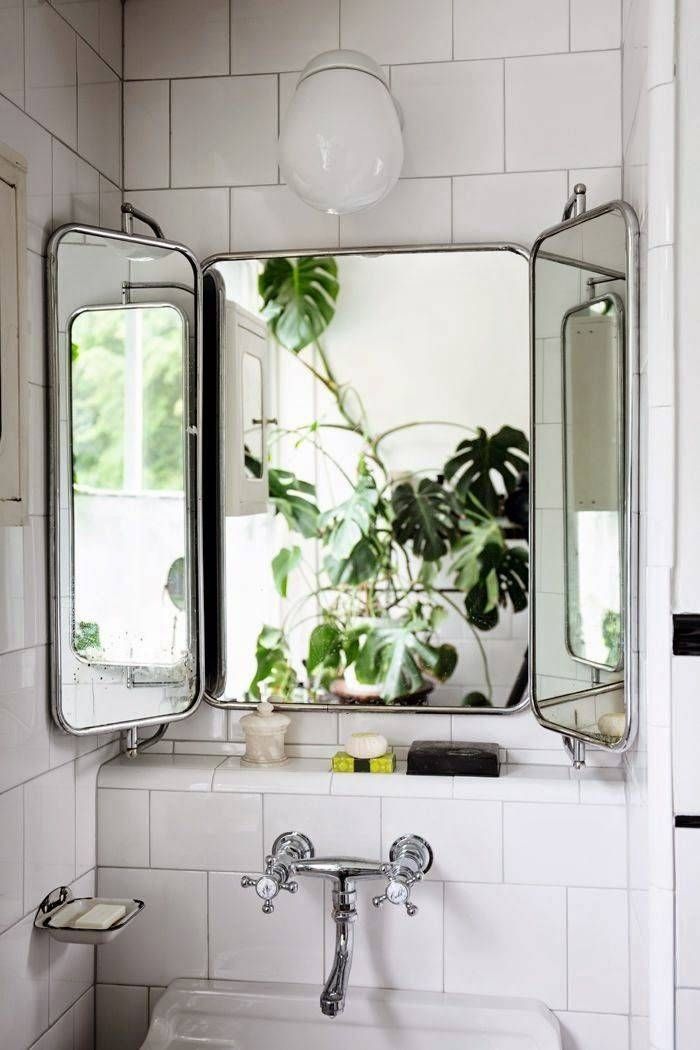
Downstairs Bathroom Sink, Counters, Light Fixture Downstairs bathroom, Bathroom mirror, Bathroom

Best Ideas Vintage Bathroom Mirrors
Related Posts: