I got hooked on rustic tile the same way a lot of people probably do, by seeing one photo online and then spending weeks unable to think about anything else. It was a shower wall covered in handmade looking terracotta tiles, each one slightly different in tone and texture from the next. My own bathroom at the time had flat, glossy white tile that felt more like a hospital than a home, and that contrast pushed me to finally start planning a full retile.
What makes rustic tile so different from standard bathroom tile is really the imperfection built right into the material. Handmade or artisan style tiles have slight variations in color, texture, and even shape that mass produced tile simply doesn’t have. When I finally chose my tile, I specifically looked for options described as having natural variation, since that irregularity is exactly what gives a rustic bathroom its warm, lived in character instead of a sterile showroom feel.
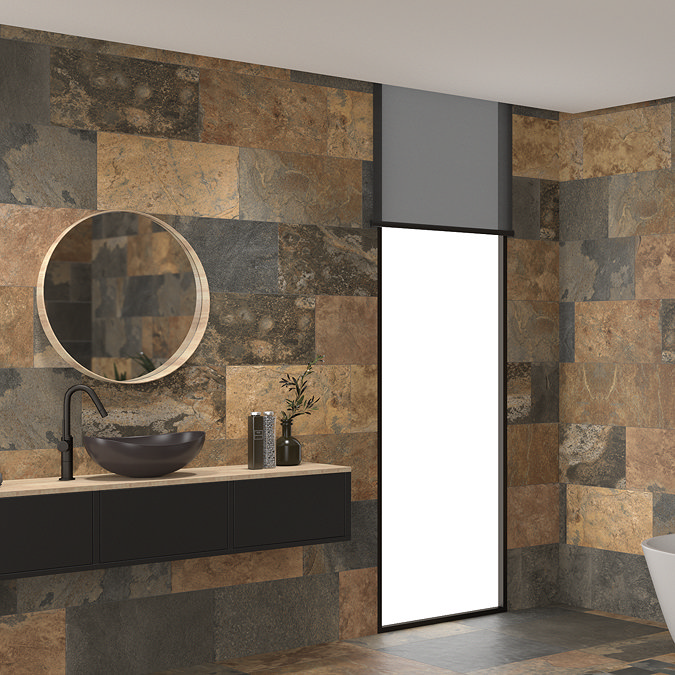
Terracotta became my personal favorite once I started sampling different options in person rather than just scrolling through photos online. The warm reddish orange tone brought an earthy quality into my bathroom that no cool gray or white tile ever could. I used it on my shower floor specifically, and the slightly textured surface also gave me better grip underfoot than the smooth porcelain I’d had installed previously in that same spot.
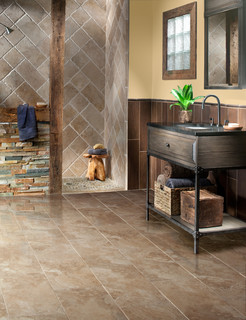
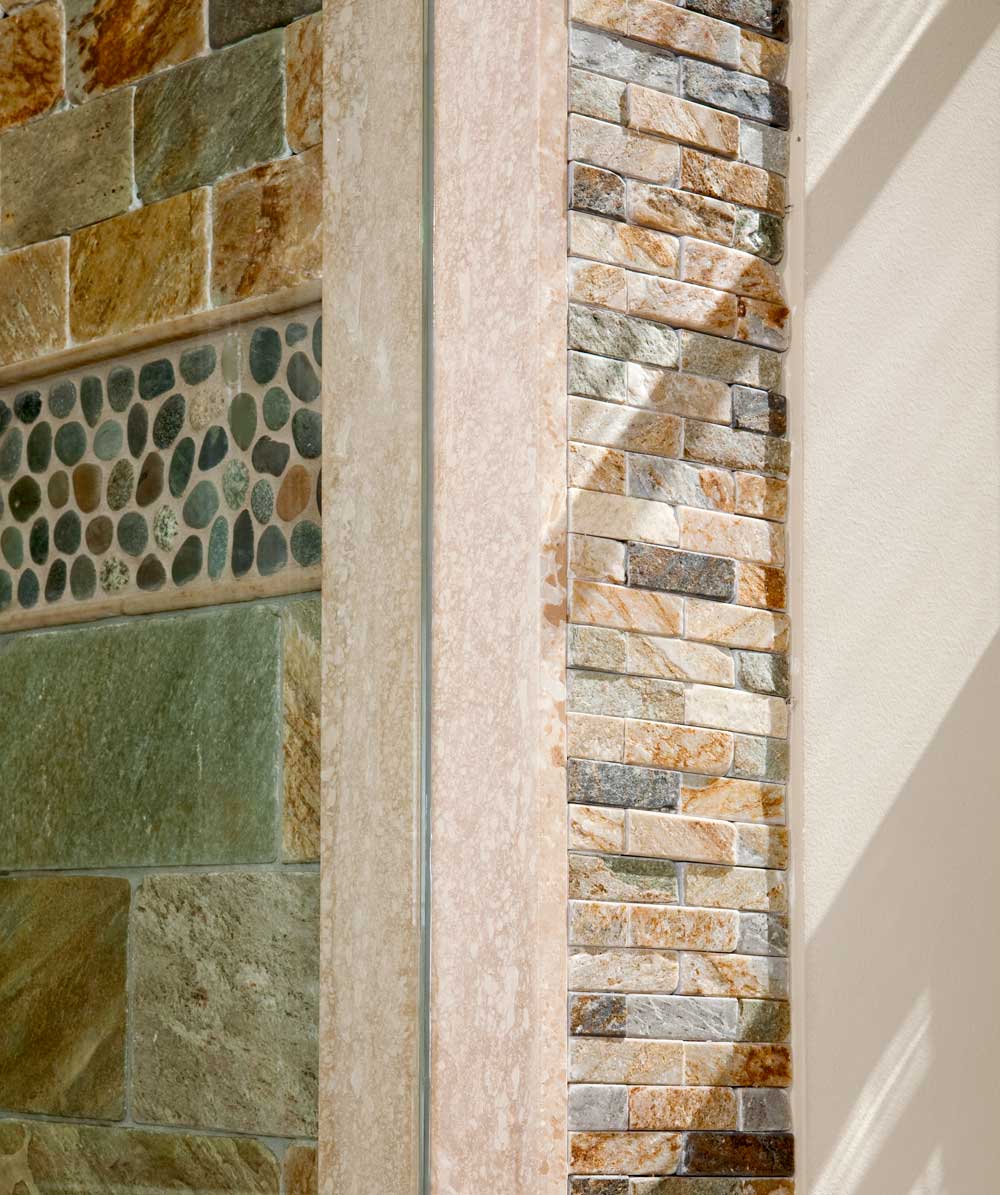
Natural stone tile, especially travertine and slate, offers another route into rustic style that I seriously considered before landing on terracotta. Both materials carry natural veining and color shifts that read as organic rather than manufactured. A friend of mine used honed travertine throughout her entire bathroom, and the soft, muted tones created a spa like calmness that I genuinely envied every time I visited her place.
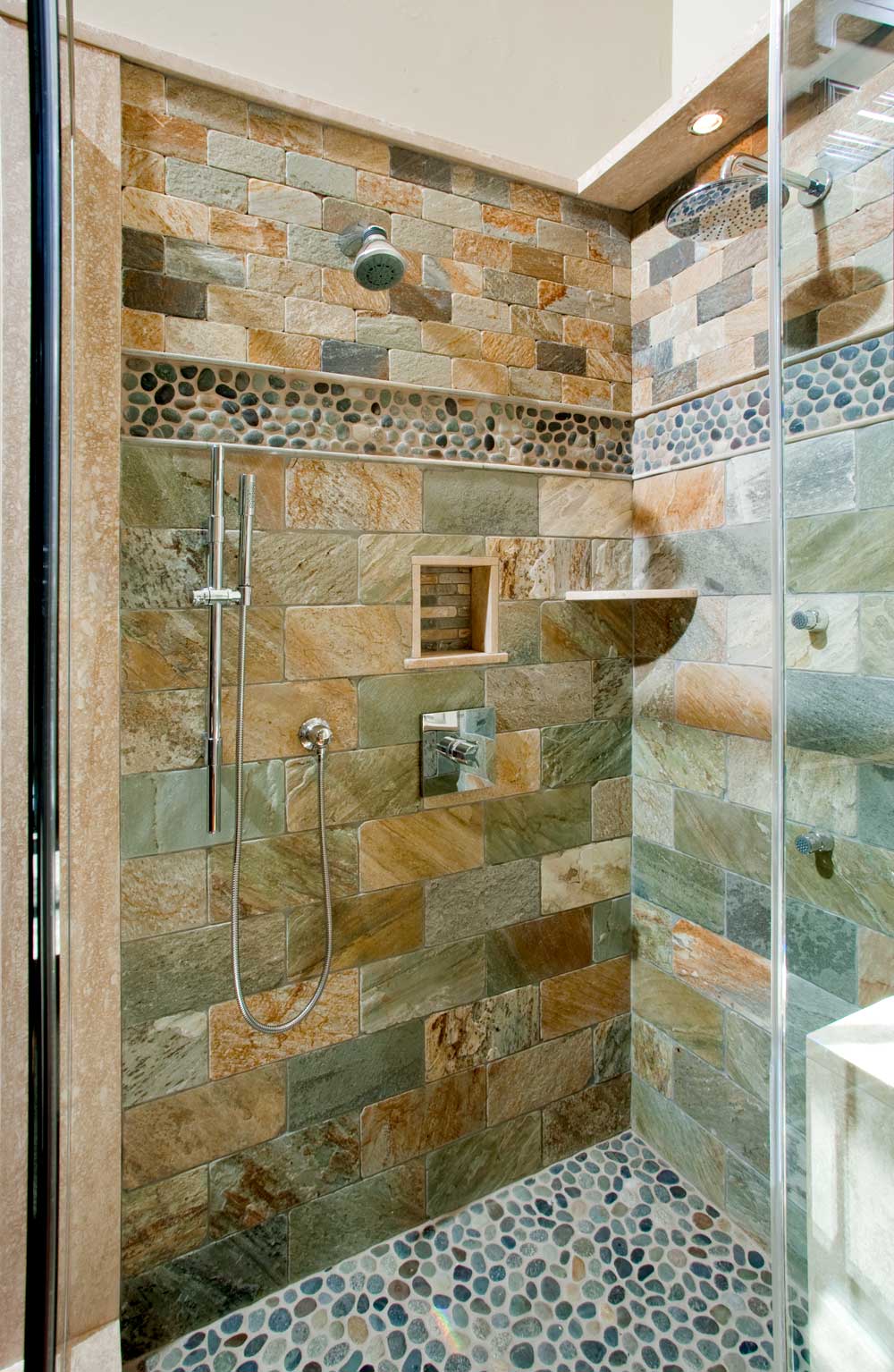
Zellige tile is where I eventually spent a good chunk of my budget, since the handmade Moroccan technique produces these beautifully imperfect, slightly wavy surfaces that catch light differently depending on the angle you’re viewing them from. I used it as a backsplash behind my vanity, and even now, years later, I still notice how the color shifts subtly throughout the day as natural light moves across the bathroom.
Grout choice matters more with rustic tile than I initially realized, since it genuinely affects how much the individual tile variations stand out. I went with a slightly darker grout than I would have chosen for standard subway tile, since it emphasizes the handmade edges of my terracotta pieces rather than trying to blend them into one seamless surface. Lighter grout tends to minimize those charming irregularities that make rustic tile worth choosing in the first place.
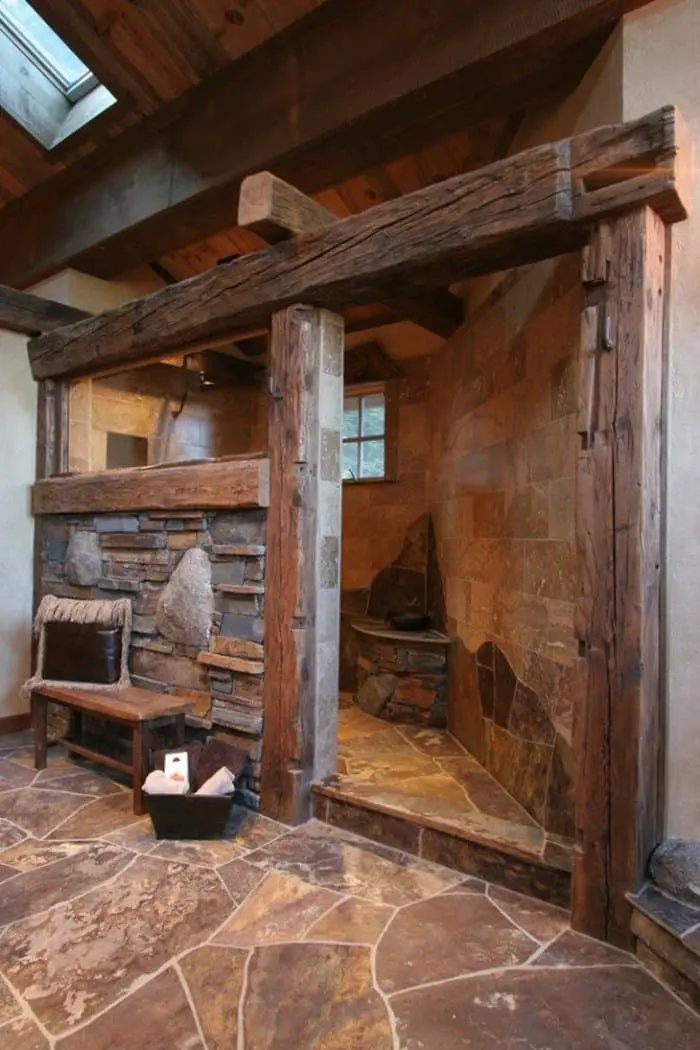
Pattern layout became a genuinely fun part of the planning process once I started researching beyond a standard grid installation. I chose a herringbone pattern for my shower floor, which added visual movement and complexity that a straight grid layout simply wouldn’t have delivered. Basketweave and Moroccan fish scale patterns are other options I considered, each bringing a distinctly different rustic feel depending on the overall style you’re going for.
Sealing natural materials like terracotta and stone became an ongoing maintenance task I hadn’t fully anticipated before starting this project. Unlike glazed porcelain, these materials are porous and need regular sealing to resist staining and water absorption over time. I reseal mine roughly once a year, a task that takes an afternoon but has kept my tile looking as vibrant as the day it was installed.
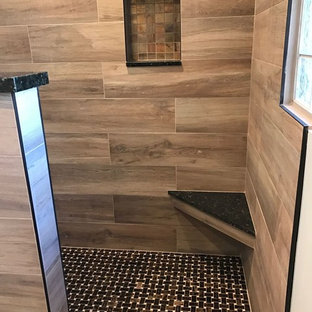
Installation ended up requiring a professional tile setter in my case, especially for the more complex herringbone and zellige patterns I’d chosen. Rustic tiles, especially handmade ones, often have slight variations in thickness that require more skill to install evenly than standard uniform tile. I’d genuinely recommend hiring someone experienced specifically with these materials, since a poor installation can undermine even the most beautiful tile choice.
Living with my rustic tile choices now for a few years, I still find myself genuinely admiring the texture and color variation every time I’m in that bathroom. It transformed a space that used to feel purely functional into somewhere that actually feels warm and personal. If you’ve been drawn to that same handmade, imperfect look in photos online, I’d say trust that instinct, since it really does translate beautifully into daily life.

How durable is rustic tile like terracotta compared to standard porcelain?
Terracotta and natural stone are generally softer and more porous than porcelain, so they require more maintenance to stay durable long term. With proper sealing, mine has held up beautifully for years without cracking or significant wear. Porcelain remains the tougher, lower maintenance option if durability is your top priority.
What’s the best way to maintain rustic natural stone or terracotta tile?
I reseal mine about once a year to protect against staining and water absorption, since these materials are naturally porous. Regular cleaning with a pH neutral cleaner, rather than harsh acidic products, also helps preserve the surface. Skipping the sealing step is honestly the biggest mistake people make with these tiles.

Can I install rustic tile myself, or should I hire a professional?
I hired a professional for my herringbone and zellige patterns specifically, since handmade tiles often have slight thickness variations that are tricky for beginners to install evenly. Simpler grid layouts with more uniform tile could be a manageable DIY project, but complex patterns really benefit from experienced hands.
How much should I budget for rustic tile in a bathroom renovation?
My terracotta and zellige combination cost significantly more than standard porcelain, running around fifteen dollars per square foot for materials alone before installation labor. Natural stone and handmade tile generally cost more than mass produced options, so I’d budget accordingly if you’re drawn to these specific materials.
Will rustic tile make my bathroom feel outdated instead of stylish?
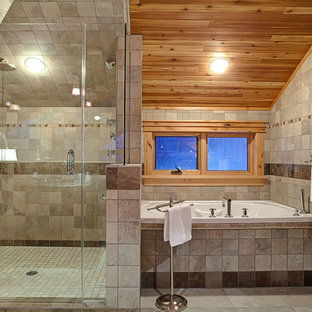
I was worried about this initially, but pairing rustic tile with modern fixtures and clean lined cabinetry actually creates a nice balance that reads as intentional rather than dated. The contrast between old world texture and contemporary elements has become a popular design approach precisely because it feels fresh.
Is rustic tile suitable for a bathroom floor with heavy daily foot traffic?
Yes, in my experience, densely fired terracotta and properly sealed natural stone hold up well under regular daily use. I’d just recommend resealing on schedule and avoiding overly abrasive cleaning tools, since that combination has kept my own heavily used shower floor looking great for years now.
Our Rustic Bathrooms Designs
Tile & Tiling Ideas for home

Popular Rustic Bath Design Ideas
Best Farmhouse Bathroom Shower Decor

Modern Powder Room Design Ideas
Related Posts: