I never planned on falling in love with a bathroom vanity, but here we are. When I found my vintage set at an estate sale, tucked behind boxes of old linens and mismatched china, I almost walked right past it without a second glance. The chipped mirror and dusty porcelain basin didn’t scream “treasure” at first sight, and honestly, my husband thought I was crazy for even stopping to look. But something about the curved legs, the worn brass hardware, and the sheer weight of the thing when I tried to shift it made me pause. That single decision, standing in a stranger’s cluttered garage on a Saturday morning, ended up changing how I feel about my entire bathroom.
Getting it home was the easy part, if I’m being honest. Restoring it taught me patience I didn’t know I had buried somewhere inside me. The original finish had years of grime layered on top of genuine character, and separating the two took a fair amount of trial and error, plus more than one frustrated evening in the driveway with rags scattered everywhere. I learned quickly that vintage pieces reward gentle care over aggressive scrubbing, no matter how tempting it is to just power through with a heavy hand. A little mineral oil, some fine steel wool, and a lot of elbow grease brought the wood grain back to life in ways I honestly hadn’t expected when I first started the project.
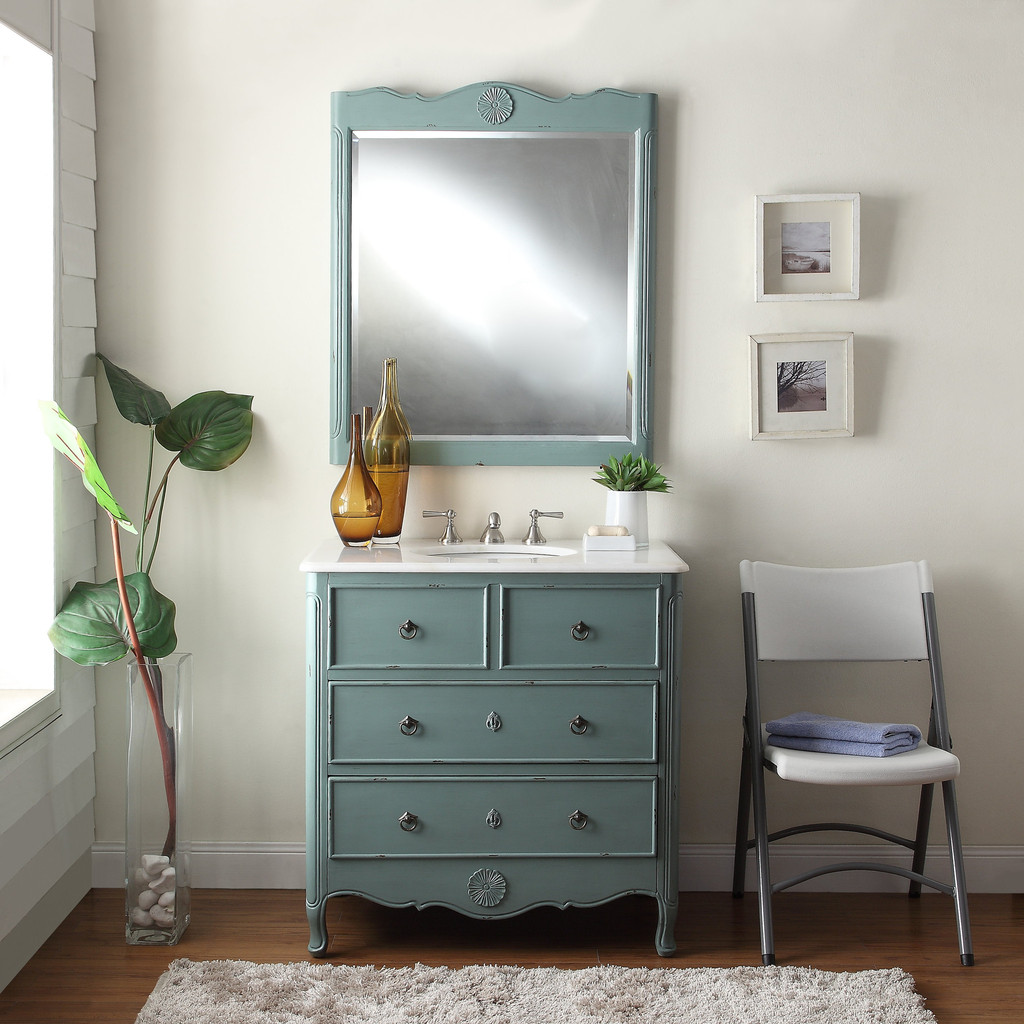
What surprised me most, once the grime finally lifted, was the craftsmanship hiding underneath decades of neglect and one too many coats of cheap paint. Dovetail joints, hand carved details along the drawer fronts, solid brass fixtures instead of the flimsy stuff you find in big box stores today. My grandmother used to say they don’t make things like they used to, and standing there with sandpaper in my hands late one night, I finally understood exactly what she meant by that. This vanity was clearly built to last generations, not just survive a single renovation trend before getting tossed to the curb.
The porcelain sink basin needed its own kind of attention, separate from the wood cabinet entirely. I’d worked with porcelain before, actually, back when my husband and I redid our garage floor with porcelain tiles one long summer, so I already had some respect for how tough yet particular the material can be when you’re trying to bring it back. Small cracks and stubborn stains responded well to gentle, porcelain safe cleaners applied in slow circles, but I made a point of avoiding anything abrasive that could scratch the glossy surface permanently and undo all my progress in a matter of seconds.

Once the piece was finally clean and I could actually see what I was working with, I had to make peace with its imperfections rather than fight them. A small hairline crack near the basin’s edge, a worn spot on one drawer pull where countless hands had reached before mine, these weren’t flaws to hide away but proof of a life already lived by this piece long before it ever met me. I’ve noticed that people tend to either love or hate this kind of imperfection, with no real middle ground. For me, it added a layer of warmth that no brand new fixture, however expensive, could ever hope to replicate.
Installing it required far more planning than I originally anticipated when I dragged it through the front door feeling triumphant. Older vanities often don’t match modern plumbing dimensions, so I had to adjust pipe placement and double check every water line connection before committing to anything permanent or drilling a single new hole. I ended up bringing in a plumber friend for an afternoon rather than risk a leak behind freshly painted walls I’d already spent weeks perfecting. That small investment of both time and cash saved me from what could have been a much bigger, much wetter headache later on down the road.
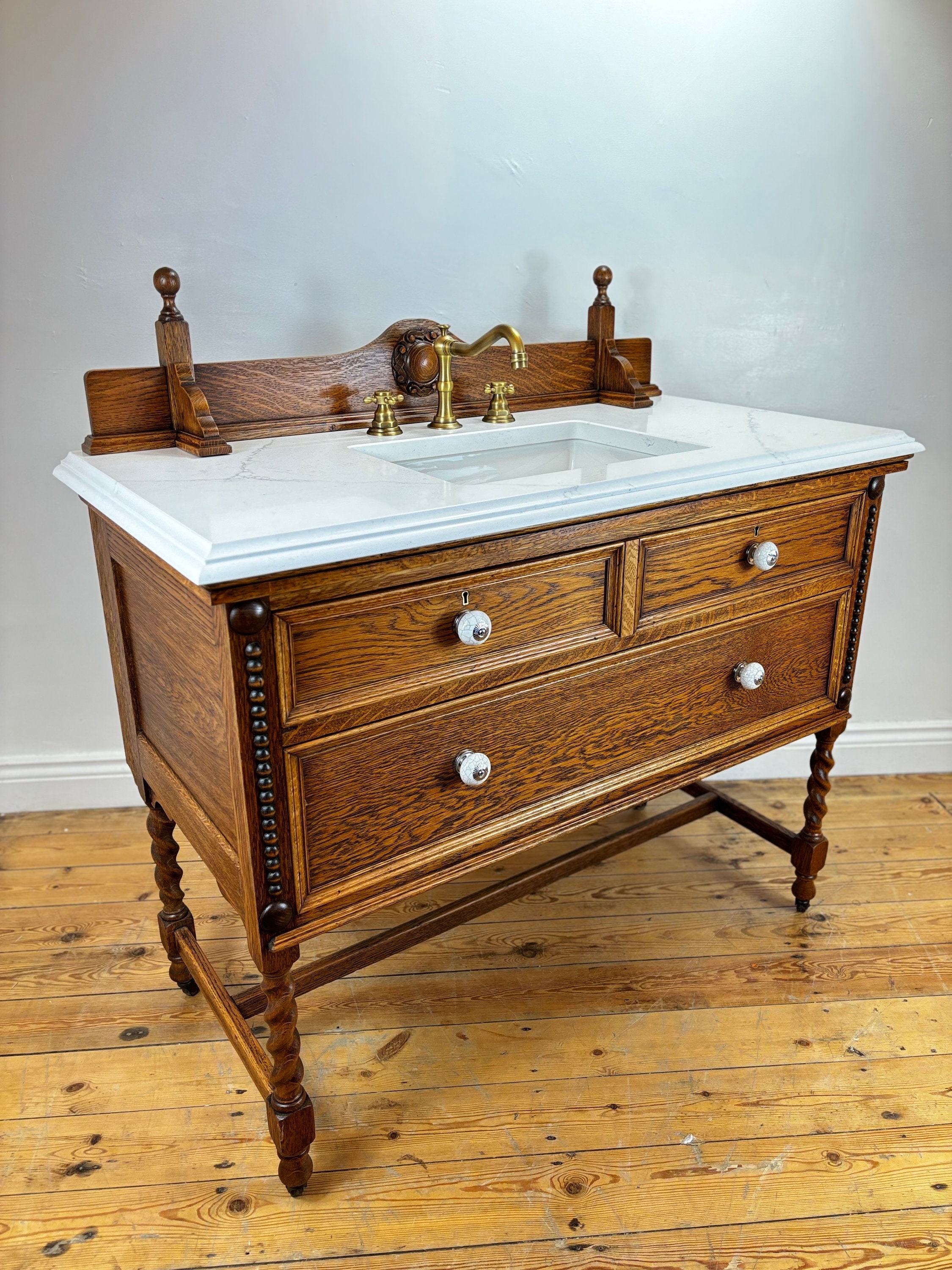
Choosing the right paint and hardware finish took longer than the actual restoration work itself, which I did not see coming. I tested five different white shades on scrap wood before settling on a soft, warm cream that complemented the aged brass rather than fighting against it for attention. Matching new elements to old ones is a delicate balancing act, and I quickly learned that perfection isn’t really the goal here, harmony is. Every swatch taught me something new about undertones I never noticed before this whole process began.
Living with this vanity every single day has changed how I think about my bathroom routine in ways I didn’t expect from a piece of furniture. Mornings feel a little slower, a little more intentional, when I’m standing in front of something with actual history behind it instead of something mass produced last year. There’s a strange, quiet comfort in knowing that previous owners brushed their teeth and got ready for work at this same sink, decades before I ever existed or even knew this house was for sale.
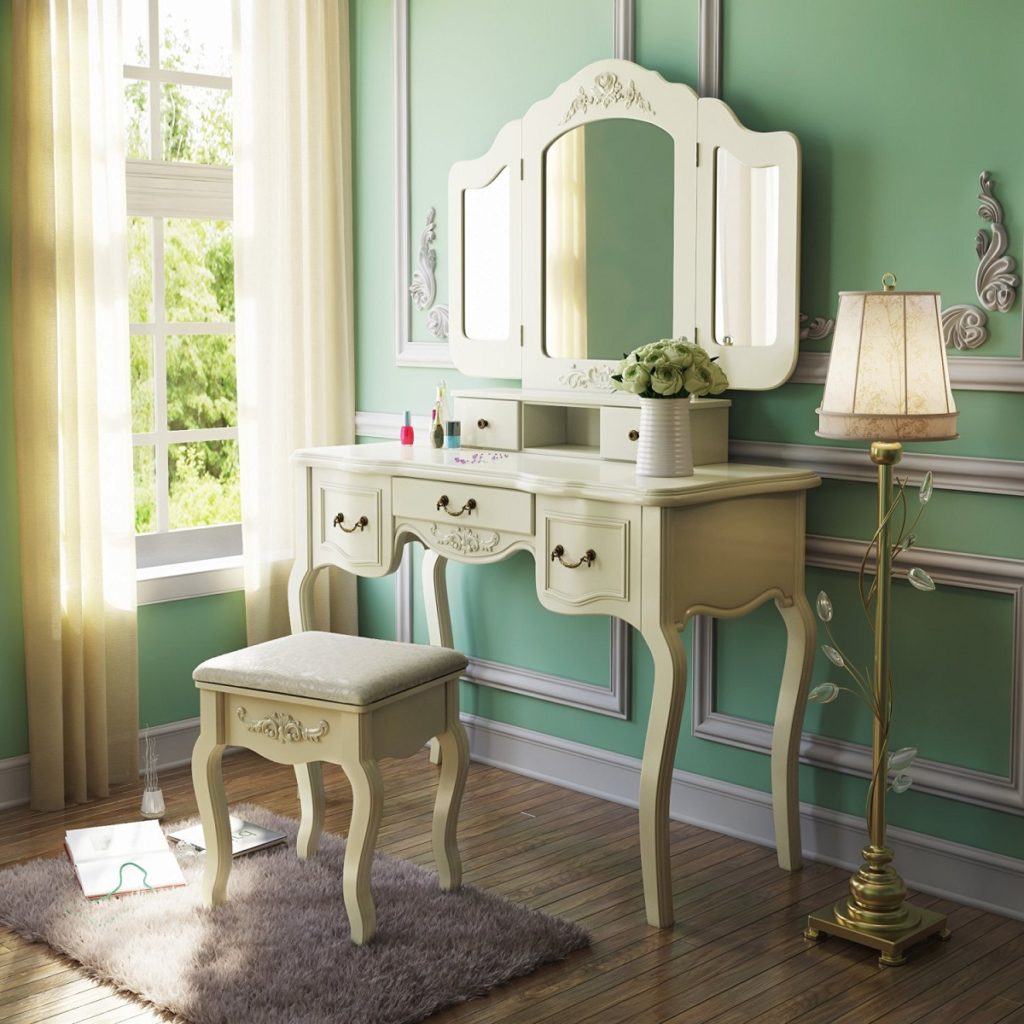
Maintenance has become a small, satisfying ritual rather than a dreaded chore on my weekend to do list. I wipe down the porcelain weekly, condition the wood every few months with a soft cloth, and check the brass fixtures for any tarnish before it has a chance to set in and become a bigger job. It’s not high maintenance, just consistent care, similar to how I treat my porcelain garage tiles, honestly, the parallels keep surprising me. Materials like this reward attention rather than demanding it, which makes the whole routine feel more like self care than obligation.
If you’re considering a vintage vanity for your own space, I’d say go for it without hesitation, but go in with your eyes wide open about the work involved. It won’t be plug and play like a modern flat pack unit from a warehouse store, and you’ll need patience for both the restoration and the installation phases. But the character, durability, and quiet story behind every scratch and worn edge make it worth every single bit of effort I put into mine, and I’d do the whole thing again in a heartbeat.

Is a vintage bathroom vanity set durable enough for daily use?
Absolutely, in my experience it holds up wonderfully. Most vintage vanities were built with solid wood and real porcelain, materials far sturdier than many modern equivalents you’ll find today. As long as you maintain the finish and address small repairs early on, daily use won’t cause significant wear beyond normal, expected aging over time.
How much maintenance does a vintage vanity actually require?
Honestly, less than most people assume before trying one themselves. I wipe the porcelain weekly and condition the wood every couple months without much fuss. It’s routine care, not constant labor at all. Think of it like maintaining porcelain tile, consistent attention prevents bigger problems from developing down the road.

Can I install a vintage vanity myself, or do I need a plumber?
I recommend at least consulting a plumber, especially for water line adjustments behind the walls. Older vanities often have different dimensions than modern plumbing expects, which can catch people off guard. I handled the cosmetic restoration myself but brought in professional help for the actual plumbing connections and hookups.
Are vintage vanity sets expensive compared to new ones?
It really depends entirely on condition and where you source the piece from. Mine cost relatively little at an estate sale, but restoration materials added up gradually over the weeks. Compared to high end new vanities, though, I still came out ahead financially, and got noticeably better craftsmanship in the process.
What’s the biggest mistake people make restoring these pieces?
Over cleaning, honestly, is the most common issue I’ve seen. I’ve watched people scrub away original character trying to make things look brand new and shiny. Gentle, patient restoration preserves value and charm far better than aggressive methods ever could, especially when you’re dealing with delicate porcelain surfaces.
Will a vintage vanity work in a small, modern bathroom?
Surprisingly, yes, and often better than you’d expect going in. I’ve found that vintage pieces add genuine character to small spaces rather than overwhelming them visually. Choosing a proportionally sized vanity and pairing it with simple modern accents creates a nice contrast without sacrificing functionality or precious floor space.

Vintage vanity set
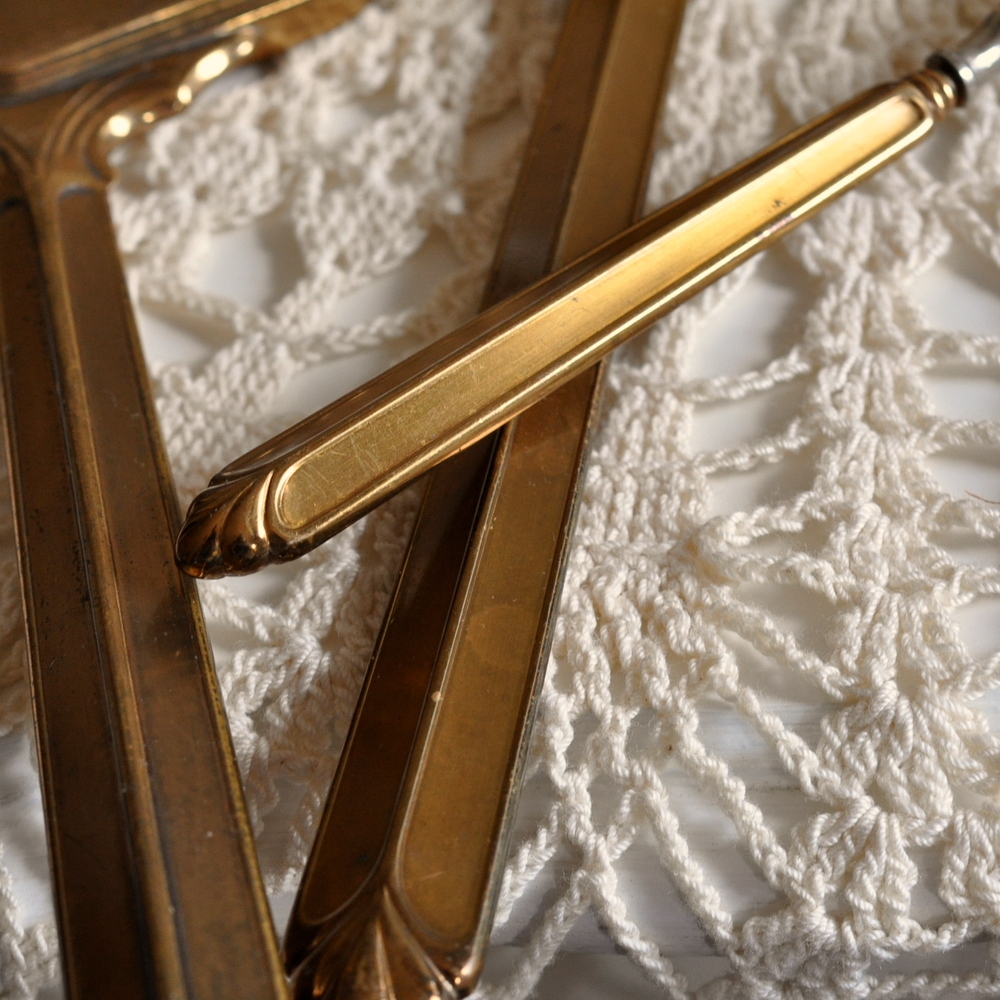
Vintage Vanity Set
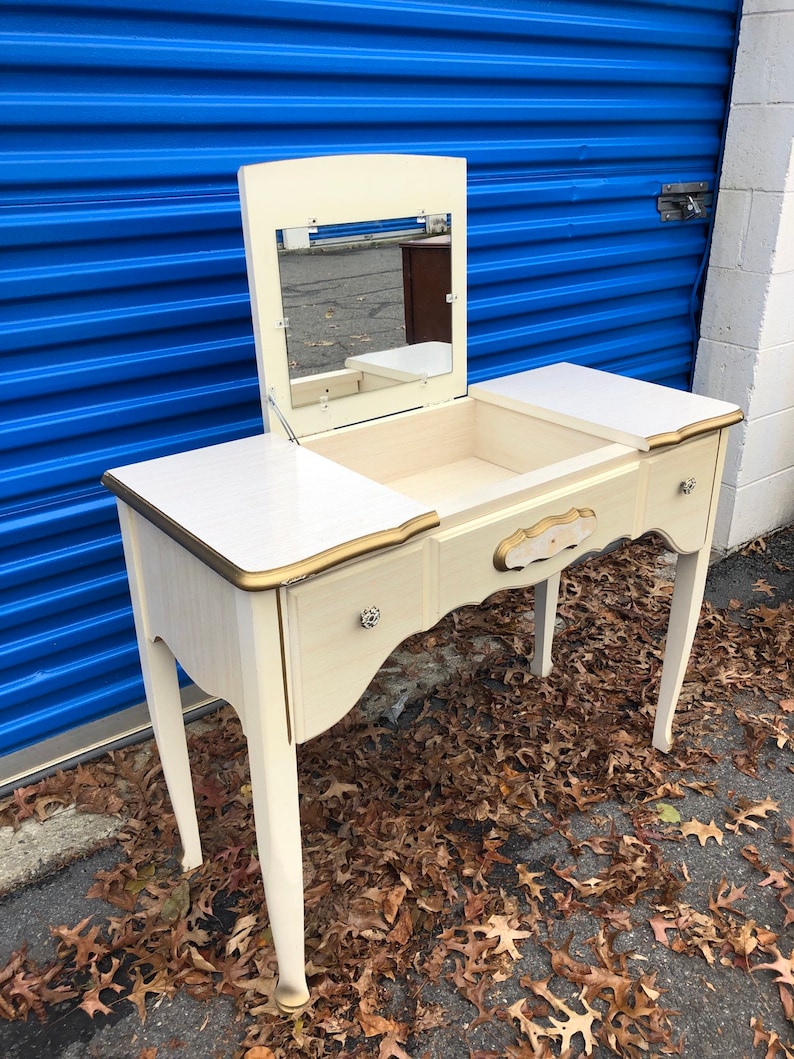
Vintage Vanity Etsy
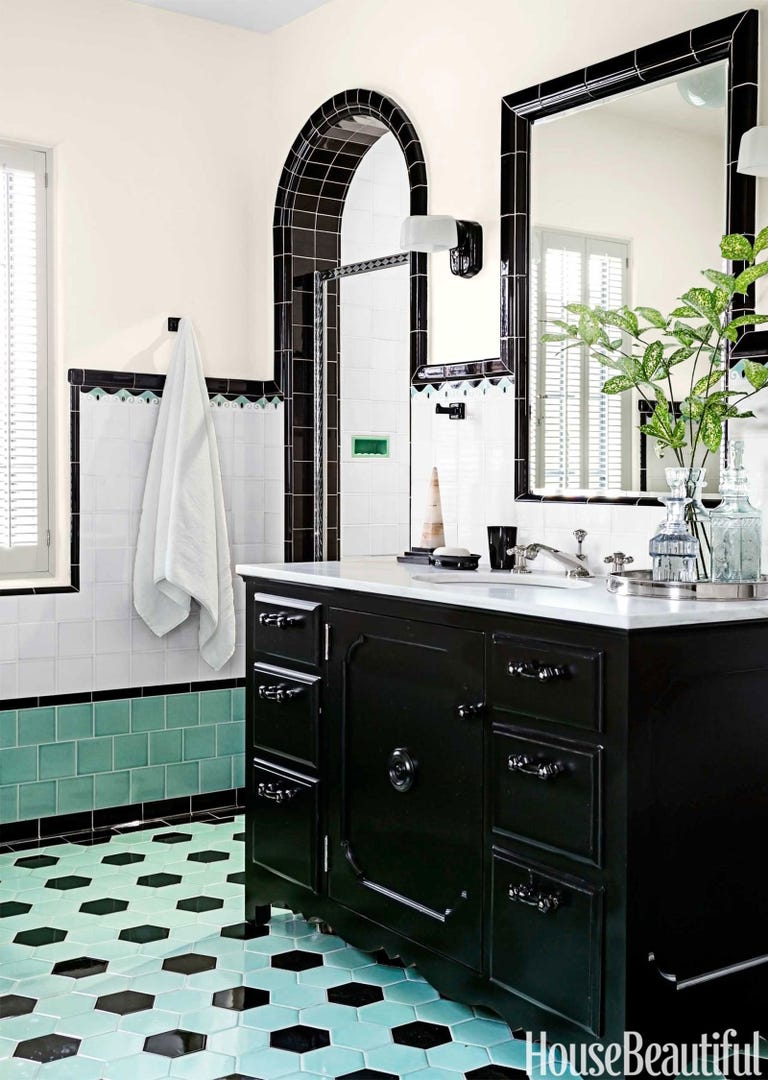
Bathroom With Colorful Tile – 1930s Bathroom Design
Rustic Farmhouse Bathroom Ideas
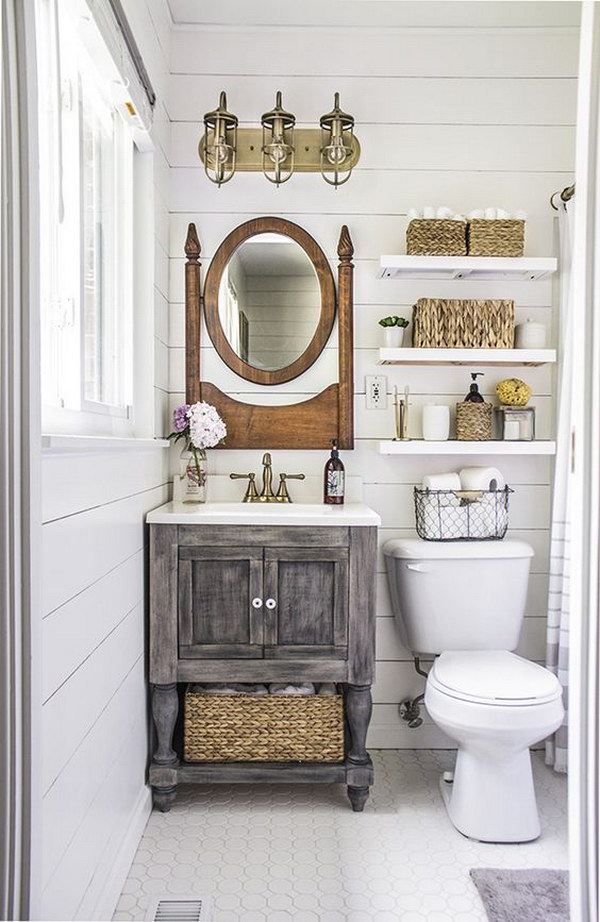
Quaintrelle Life: Vintage Vanity
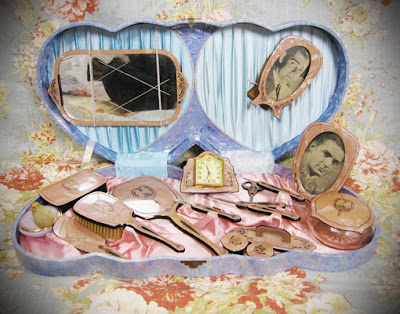
Lovely Deco Waterfall Vanity Mirror and Bench
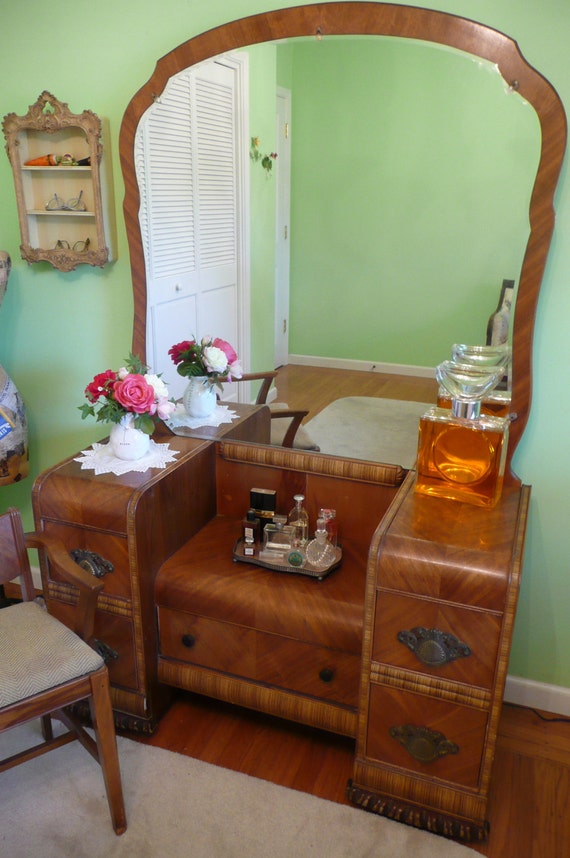
Vintage Vanity Dresser sets, Vintage vanity tables and Dressing

Related Posts:
- Bathroom Vanity Width
- Kokols 23 Bathroom Vanity Set
- Adjustable Bathroom Vanity Lights
- Do It Yourself Bathroom Vanity
- Round Mirror Over Bathroom Vanity
- Bathroom Vanity Without Faucet Holes
- How Much To Install A Bathroom Vanity And Sink
- 96 Inch Bathroom Vanity Double Sink
- 24 Inch Farmhouse Bathroom Vanity
- Vintage Style Bathroom Vanity