I spent years ignoring my bathroom faucet the way most people ignore theirs, as a purely functional object that existed to deliver water and nothing more. Then I renovated my farmhouse bathroom and discovered what a country style faucet actually looks and feels like in daily use, and the experience genuinely reframed how I think about even the smallest fixtures in a home. A faucet you love operating is a small pleasure that repeats itself dozens of times every single day, and that repetition adds up to something meaningful over years of use.
Country style bathroom faucets occupy a specific and deeply appealing design space. They reference the hand-crafted, utilitarian beauty of rural American and European domestic life from the late 19th and early 20th centuries, when fixtures were built to last generations and looked substantial enough to suggest it. Cross handles, gooseneck spouts, bridge configurations, and visible brass or bronze construction are the signatures of this style. The aesthetic is warm, purposeful, and honest in a way that contemporary minimalist faucets, with their hidden mechanisms and anonymous profiles, simply aren’t designed to be.
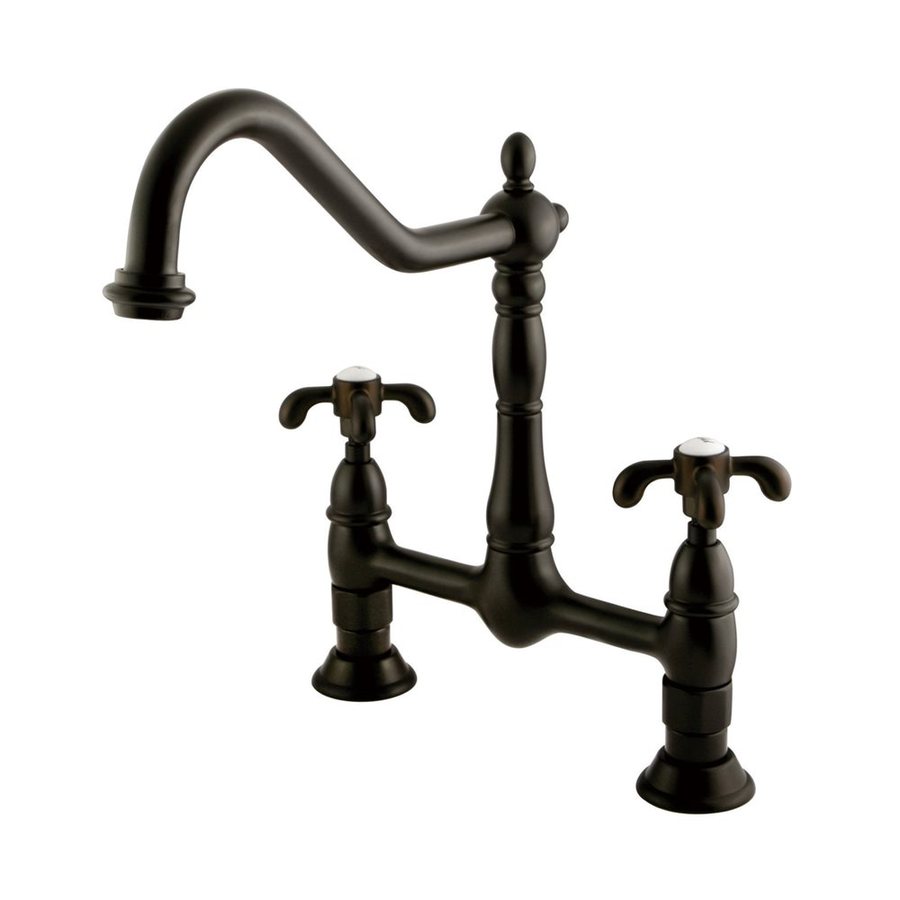
My entry point into country faucets was a bridge-style widespread model with separate hot and cold cross handles and a graceful curved spout in an oil-rubbed bronze finish. Bridge faucets, where a horizontal connector joins the two handles above the deck, define the country and farmhouse aesthetic more distinctly than almost any other faucet configuration. The raised bridge creates a visual presence on the vanity that a standard centerset or single-hole faucet can’t produce, and the separate handles reinforce that sense of deliberate, considered craftsmanship that characterizes country design at its best.
Handle style is worth thinking about carefully before making a final selection, because you interact with them constantly and they carry most of the period character. Cross handles are my personal preference for country faucets because they reference industrial and agricultural hardware from the early 20th century with direct authenticity. The X-shaped grip provides excellent leverage and control, and visually they read as functional objects that were designed with real use in mind rather than purely for appearance. Lever handles offer easier operation for those who prefer them but deliver a softer, less distinctly country character that suits transitional styles more than purely rural aesthetics.

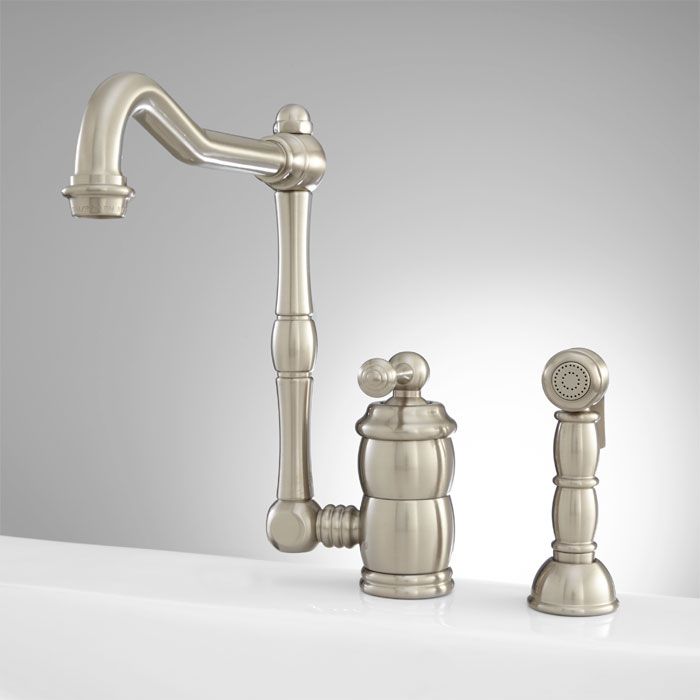
Finish selection for a country faucet shapes the entire personality of the piece in ways that transcend mere color preference. Oil-rubbed bronze is my consistent recommendation for country bathrooms because its deep, warm brown tones reference aged metal authentically and develop a richer character over time rather than simply wearing out. Antique brass offers similar warmth with more golden undertones that suit Victorian and Edwardian country aesthetics particularly well. Brushed nickel reads as cleaner and more contemporary, which suits modern farmhouse interpretations but loses some of the rural authenticity that makes genuinely country-style faucets so compelling and characterful.
Brass construction beneath the finish is something I look for specifically in any country faucet purchase, and it’s a quality indicator that separates lasting pieces from disappointing ones. Solid brass resists corrosion, withstands the mineral deposits that hard water leaves behind, and provides the weight in the hand that signals genuine quality the moment you operate the handles. Zinc alloy faucets look identical to brass in product photography but corrode faster, develop finish problems more quickly, and feel noticeably lighter and less substantial during daily use. The price difference between brass and zinc construction is real but consistently worth it over the lifespan of the fixture.

Installation configuration matters practically and aesthetically, and country style faucets come in several formats worth understanding before you commit to a purchase. Widespread faucets use three separate holes, one for each handle and one for the spout, spread between six and sixteen inches apart. Bridge faucets also use three holes but connect the handles with a visible horizontal bar above the deck. Centerset faucets combine all three components on a single base plate for sinks with standard four-inch hole spacing. My bridge faucet required a wider sink with eight-inch hole spacing, which I confirmed carefully before ordering. Verifying your sink’s existing hole configuration against the faucet’s requirements before purchasing saves considerable frustration.
Water efficiency surprised me as a meaningful feature in my country faucet research. I assumed that older-inspired designs would sacrifice water conservation for period authenticity, but many quality country style faucets now carry WaterSense certification with flow rates at or below 1.5 gallons per minute. My bridge faucet delivers completely satisfying water pressure at 1.2 gallons per minute, which reduced my daily water consumption noticeably compared to the 2.2 gallon per minute faucet it replaced. The environmental benefit aligns naturally with the country aesthetic’s implicit values of careful stewardship and practical resource management that have always characterized genuine rural life.

Pairing a country faucet with the right surrounding elements creates the cohesion that makes a bathroom feel genuinely designed rather than accidentally assembled. My oil-rubbed bronze bridge faucet sits on a white fireclay apron-front sink set into a pine vanity with a dark walnut stain. The warm bronze of the faucet picks up the walnut undertones in the wood, ties to the bronze cabinet hardware on the doors and drawers, and references the oil-rubbed bronze towel bar and robe hooks on the adjacent wall. That finish continuity across multiple elements creates a visual harmony that makes the whole room feel settled and considered, which is the quality every bathroom renovation should ultimately achieve.
After two years of daily use, my country style bridge faucet still operates as smoothly as it did on installation day, and I notice it with genuine pleasure every time I use the bathroom sink. That consistent small pleasure is something I couldn’t have predicted from a product photograph or a specification sheet, and it’s what I’d most want to communicate to anyone still weighing whether a country style faucet is worth the research and slightly higher investment that quality examples require. The right faucet in the right bathroom doesn’t just deliver water, it delivers a quiet daily satisfaction that makes the space feel genuinely like yours every single time you reach for the handles.

How long does an oil-rubbed bronze finish last on a bathroom faucet?
With proper care, a quality oil-rubbed bronze PVD finish lasts fifteen to twenty years or more without significant degradation. PVD, or physical vapor deposition, bonds the finish at a molecular level rather than simply coating the surface, which means it resists chipping, peeling, and daily wear far better than traditional plating. I wipe my faucet dry after heavy use and clean it with a soft damp cloth and mild soap when needed. Avoiding abrasive cleaners and harsh chemicals preserves the finish indefinitely without requiring any special products or significant maintenance effort.
What’s the difference between a bridge faucet and a standard widespread faucet?
A bridge faucet connects the hot and cold handles with a visible horizontal bar that arches above the sink deck, creating the distinctive silhouette that defines country and farmhouse faucet aesthetics. A widespread faucet has three separate, unconnected components with no visible connection above the deck surface. Both use the same hole configuration, but the bridge’s visible connector gives it considerably more visual presence and period character. I prefer bridge faucets for country bathrooms because that raised connector is the single detail that most strongly communicates the handcrafted, historical quality I was after.

Is a country style faucet harder to install than a modern one?
Not in my experience, with one important caveat. The physical installation process, connecting supply lines and mounting hardware, is comparable to any standard bathroom faucet. The additional step that catches people is confirming the sink hole configuration matches the faucet format before purchasing. Bridge and widespread faucets require specific hole spacing that not all sinks accommodate. I measure my existing sink holes carefully and confirm the center-to-center distance against the faucet specifications before ordering anything. That single verification prevents the most common and frustrating installation problem.
Can I use a country style faucet with a modern sink?
Yes, and the contrast often creates interesting visual tension that feels deliberately designed. A bridge faucet in oil-rubbed bronze on a sleek undermount white ceramic sink creates a layered aesthetic that suits modern farmhouse design particularly well. The key is finish consistency across other bathroom hardware so the mixed aesthetic reads as intentional rather than mismatched. I’d avoid pairing a very ornate country faucet with an ultra-minimalist sink where the style gap is too wide, but most modern sinks accommodate country faucets beautifully with thoughtful coordination of surrounding elements.
What maintenance does a cross-handle country faucet require?
Cross handles require essentially the same maintenance as any quality faucet. I clean mine monthly with a soft cloth and mild dish soap, rinse thoroughly, and dry to prevent water spot buildup. Hard water deposits respond well to a brief application of diluted white vinegar on a cloth, without letting it sit too long on metal finishes. The cartridge inside the faucet body occasionally needs replacement after many years of use, which is a straightforward repair requiring only basic tools. Quality brass construction significantly extends the interval between any internal maintenance compared to zinc alloy alternatives.
What’s a realistic budget for a quality country style bathroom faucet?
Entry-level country style faucets with acceptable construction start around $80 to $150, though I’d scrutinize the body material carefully at this price point since zinc alloy is common. The quality range I’d recommend, solid brass construction with a durable PVD finish, typically runs $180 to $400 for single-hole or centerset configurations. Bridge faucets and widespread formats with genuine brass bodies and quality ceramic disc cartridges generally fall between $250 and $500. Above $500 you’re accessing premium brands with lifetime warranties. I spent $285 on mine and consider it among the best value decisions in my entire bathroom renovation given how often I use it.
Best Farmhouse Bathroom Sink Faucet Wall Mount Ideas Vintage bathroom sinks, Guest bathroom

FRENCH COUNTRY STYLE French country decorating bathroom

French Bathroom. Rustic and romantic French Bathroom. #FrenchBathroom Unique bathroom, French

Urban Farmhouse Master Bathroom Remodel
Related Posts:
- Brushed Nickel Bathroom Faucets Widespread
- Dyconn Waterfall Bathroom Faucet
- Brass Colored Bathroom Faucets
- Deck Plate For Bathroom Faucet
- Chatfield Single Hole Single Handle Bathroom Faucet In Brushed Nickel
- Single Hole Two Handle Bathroom Faucet
- How To Clean Bathroom Faucet Handles
- Oil Brushed Bronze Bathroom Faucets
- Giagni Bathroom Faucet
- Moen Bathroom Faucet Leaking From Handle