I never expected a cabinet to make me feel something. Storage is storage, I used to think, functional by definition and decorative only by accident. Then I installed a retro bathroom cabinet with beveled glass doors, turned wood legs, and a soft sage green paint finish, and I stood back and felt genuinely moved by how much personality had entered a room that previously had none. That experience permanently changed how I think about bathroom cabinetry, and I haven’t approached a storage decision the same way since.
Retro bathroom cabinets span several distinct design traditions, and identifying the one that suits your existing space makes every subsequent decision easier. Art Deco cabinets favor geometric inlays, mirrored surfaces, and strong vertical proportions that reference the bold confidence of 1920s and 30s design. Mid-century modern cabinets lean toward clean horizontal lines, tapered legs, and understated hardware that lets the wood grain or lacquered finish speak for itself. 1950s American style brings rounded corners, pastel finishes, and chrome details that feel cheerful and optimistic. Each tradition has genuine charm, and the right choice depends on which emotional temperature suits your bathroom and your personality.

My bathroom had existing hex tile floors and a clawfoot tub that I inherited from the previous owners, which pointed me naturally toward an early 20th century aesthetic rather than mid-century or later styles. I chose a freestanding cabinet with beadboard panel sides, turned legs in a darker walnut stain, and a soft antique white finish on the main body. That combination of beadboard texture, turned wood details, and layered finishes created a piece that felt genuinely old without being literally antique, which is exactly the balance I was looking for when I started the search.
Wood species and construction quality separate lasting retro cabinets from disappointing ones faster than any other factor. Solid wood construction, particularly in oak, maple, or pine, withstands bathroom humidity far better than particleboard or MDF alternatives that swell, warp, and eventually delaminate under the moisture conditions that bathroom environments inevitably produce. I learned this the hard way with an earlier cabinet purchase that looked beautiful in the showroom and deteriorated visibly within eighteen months. Now I check the construction materials before considering any other feature, because a beautiful cabinet that fails structurally is simply an expensive disappointment.
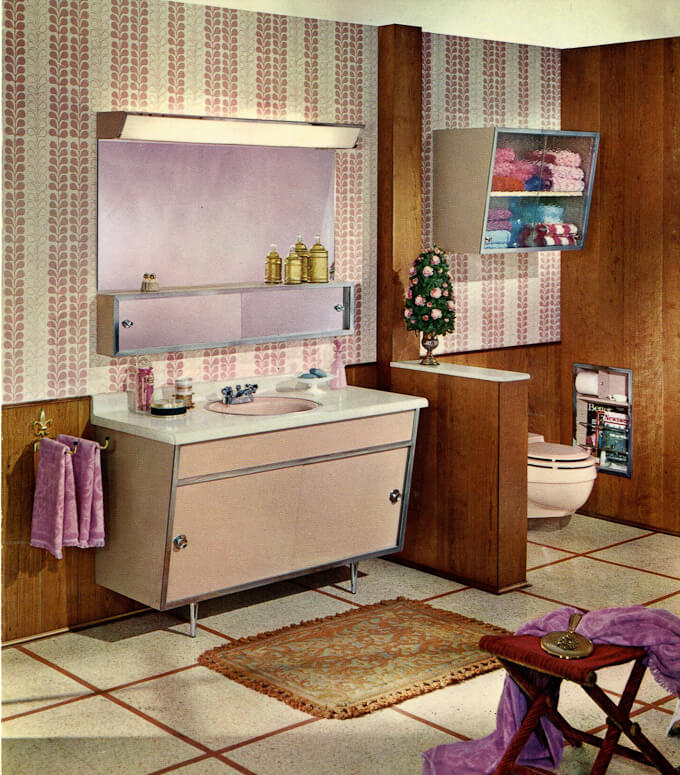
Finish selection on a retro cabinet deserves genuine thought because the color carries most of the period personality. Antique white and cream are the most versatile retro options, reading as both historically appropriate and freshly painted depending on what surrounds them. Sage green has a distinctly mid-century quality that feels organic and calm. Powder blue references 1950s American bathroom culture specifically and pairs beautifully with chrome hardware and white ceramic accessories. Deeper tones like hunter green or navy suit Victorian and Edwardian-influenced designs with a richness that lighter colors can’t produce. Distressed or layered paint finishes add an authenticity that single-coat applications rarely achieve.
Hardware choices on a retro cabinet are small decisions that produce outsized visual results, which I find consistently true about bathroom hardware in general. Bin pulls and cup pulls in an antique brass or oil-rubbed bronze finish suit most retro cabinet styles and age gracefully rather than simply wearing out. Porcelain knobs with transfer-printed floral or geometric details reference Victorian and Edwardian cabinet hardware with wonderful specificity. Chrome bail pulls suit mid-century and 1950s American designs with period accuracy. The principle I follow is matching hardware metal tones to at least one other finish in the bathroom, whether that’s the faucet, light fixtures, or mirror frame, to create visual continuity across the space.

Placement and proportion are practical considerations that affect daily satisfaction in ways that aesthetic choices alone don’t. A tall freestanding retro cabinet beside a vanity creates vertical storage without consuming counter space, and the height variation between the two pieces creates an interesting visual rhythm rather than a flat, uniform wall of cabinetry. A smaller wall-mounted retro cabinet above the toilet addresses the most commonly wasted vertical space in any bathroom. I’ve used both configurations in different bathrooms and found them equally effective when sized correctly relative to the room’s overall scale, which is the key proportion principle I’d encourage anyone to prioritize first.
Open shelving integrated into a retro cabinet design is an idea I initially resisted before completely embracing. My current cabinet has two closed lower doors and two open upper shelves with a simple rail front, and the combination works beautifully in practice. The closed section holds cleaning supplies and toiletries I want contained and out of sight. The open shelves display folded hand towels, a small plant, and a collection of vintage apothecary jars that reinforce the period aesthetic while storing cotton balls and bath salts practically. That mix of concealment and display creates a cabinet arrangement that’s both organized and visually interesting, which is harder to achieve with exclusively closed or exclusively open storage.
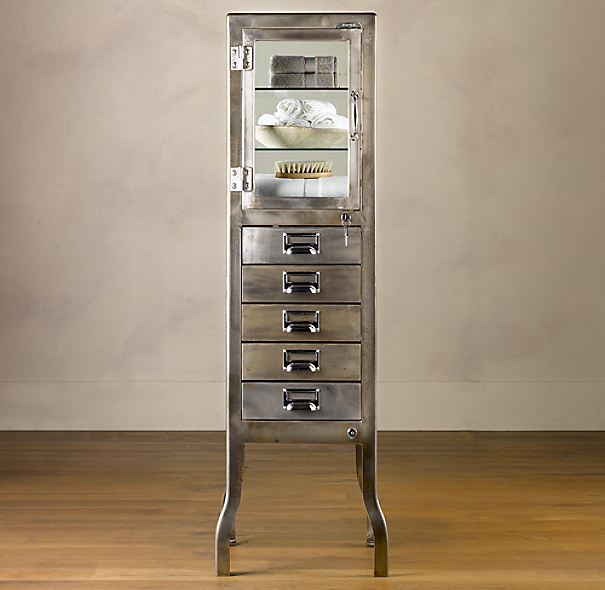
Sourcing a retro cabinet involves more interesting options than simply browsing home improvement retailers, and exploring those options consistently produces better results. Architectural salvage shops carry genuine vintage pieces that have the authentic patina and construction quality that reproductions struggle to replicate. Estate sales occasionally surface beautiful old bathroom cabinets at prices that reflect their age rather than their current desirability. Quality reproduction manufacturers produce period-accurate pieces with modern construction standards and proper moisture-resistant finishes. I’ve had success with all three sources and now shop all of them simultaneously for any significant cabinet purchase, because the best piece at the right price could come from any of them.
Living with my retro bathroom cabinet for two years now, what strikes me most is how it seems to improve rather than merely persist over time. The paint has developed a gentle softness in the high-touch areas around the handles that reads as genuine patina rather than wear. The turned legs have become one of my favorite details in the whole room, catching light differently throughout the day in a way that flat, modern cabinet legs never do. Good retro design has this quality of rewarding continued attention, offering something new to notice as familiarity deepens. That’s the real difference between a cabinet chosen for character and one chosen purely for convenience, and it’s a difference I feel every single morning.

How do I protect a retro wooden cabinet in a humid bathroom?
Proper sealing before installation is the most important protective step I take with any wooden bathroom cabinet. I seal all surfaces, including the back panel and interior shelves, with a moisture-resistant topcoat before the cabinet goes anywhere near a bathroom wall. Running an exhaust fan consistently during and after showers reduces ambient humidity significantly. I also avoid placing the cabinet directly against an exterior wall where temperature differentials can encourage condensation. These combined habits have kept my solid wood cabinet in excellent condition through two years of daily use.
Can I paint an existing bathroom cabinet to achieve a retro look?
Absolutely, and it’s one of the most satisfying transformations I’ve seen in bathroom renovation. Clean and lightly sand the existing surface, apply a bonding primer, then use chalk paint or cabinet-specific paint in your chosen retro color. Distressing the edges lightly with fine sandpaper after the paint dries adds authentic age. Finish with a clear topcoat rated for bathroom use. Replacing the existing hardware with period-appropriate pulls or knobs completes the transformation. The total investment is modest but the visual result can be genuinely dramatic and deeply personal.
What’s the difference between freestanding and wall-mounted retro cabinets?
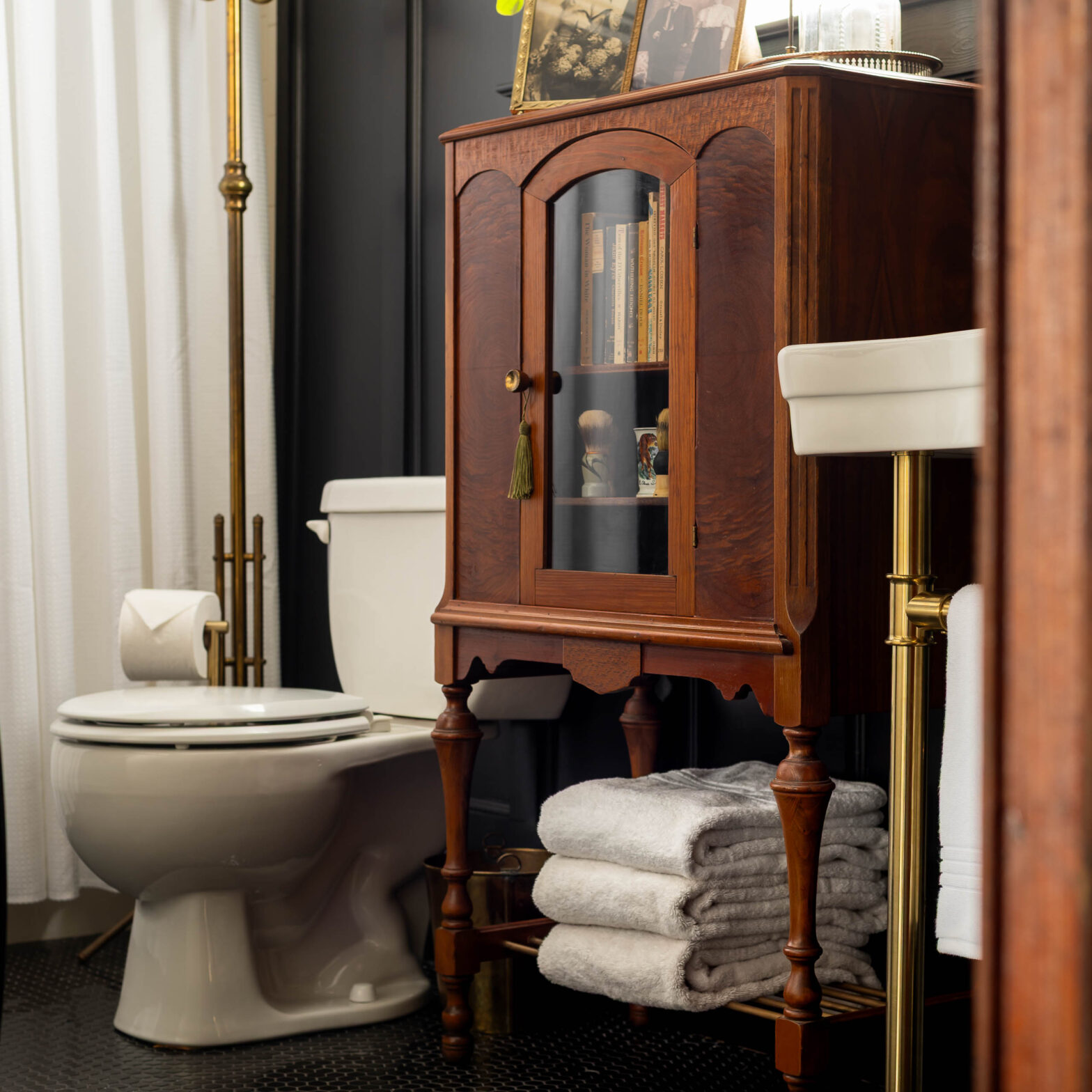
Freestanding cabinets offer flexibility since they can be repositioned without patching walls, and their furniture-like quality suits farmhouse and Victorian retro aesthetics particularly well. Wall-mounted cabinets save floor space, which matters significantly in smaller bathrooms, and create a cleaner visual line along the wall. I’ve used both successfully in different bathrooms. The choice usually comes down to your available floor space and whether you want the cabinet to read as furniture or as built-in storage, which are genuinely different visual statements within the same retro aesthetic.
How do I find authentic vintage bathroom cabinets rather than reproductions?
Estate sales are my most reliable source for genuine vintage pieces at fair prices. Architectural salvage shops specialize in period building elements including bathroom cabinetry and are worth visiting regularly since inventory changes constantly. Online marketplaces carry large selections of vintage pieces, though you can’t assess construction quality or actual condition before purchasing, which carries real risk for something as structurally important as a cabinet. Local antique dealers sometimes have bathroom-appropriate pieces. Genuine vintage cabinets often need rewiring if they include interior lighting, so factor that potential cost into your overall budget.

What size retro cabinet works best above a toilet?
For over-toilet placement, I find cabinets between 24 and 30 inches wide and 24 to 36 inches tall work best proportionally in standard bathrooms. The cabinet should be narrower than the toilet tank below it by at least a few inches on each side to avoid a top-heavy, crowded appearance. Depth matters for clearance, keep it under 12 inches so the cabinet doesn’t interfere with seated use of the toilet. Wall-mounting height of approximately 8 to 10 inches above the tank top provides comfortable clearance while keeping the cabinet within a visually logical relationship to what’s beneath it.
What should a quality retro bathroom cabinet cost?
Quality reproduction retro cabinets with solid wood construction start around $250 to $450 for smaller wall-mounted styles. Larger freestanding pieces with genuine wood construction and quality hardware run $500 to $1,200 depending on size and detailing. Authentic vintage cabinets from estate sales can range from $50 for basic pieces requiring restoration to $800 or more for exceptional examples in excellent original condition. Custom-built retro cabinets from local craftspeople start around $600 and scale with size and complexity. I consider solid wood construction the non-negotiable minimum regardless of which source or price point I’m shopping within.

Vintage bathroom cabinet, Country bathroom decor, Chic bathrooms

Related Posts:
- How To Adjust Bathroom Cabinet Doors
- What Size Sink For 24 Inch Bathroom Cabinet
- Bathroom Cabinet Shelving Ideas
- Small Narrow Bathroom Cabinet
- Bathroom Cabinet Refinishing Kit
- Tips For Painting Bathroom Cabinets
- Lime Green Bathroom Cabinet
- Container Store Bathroom Cabinet
- Blue Painted Bathroom Cabinets
- 2 Door Bathroom Cabinet